
When we delve into the intriguing world of prohibition-era cocktails, one name that frequently comes up is “bathtub gin.” The term itself evokes images of clandestine distilleries hidden away in dimly lit basements, where enterprising individuals, not too concerned with quality, concocted their own illicit spirits. But why was it called bathtub gin?
A Tall Bottle and a Struggle for Water
The answer lies in the unique circumstances surrounding the production of gin during the Prohibition era. It was illegal to manufacture, sell, or consume alcoholic beverages, leading to the rise of home-brewed concoctions. Entrepreneurs and amateur distillers found ways to circumvent the law, but they faced challenges due to limited resources and a need to blend in.
Quality Sacrificed for Quantity
One significant hurdle was the production of gin in large quantities. To maximize output and minimize detection, distillers often prioritized quantity over quality. The resulting product was far from the smooth, refined gin we are accustomed to today. Instead, it was a low-quality spirit that needed a creative solution for its production process.
A Bottle Too Tall for the Sink
The characteristic tall shape of the gin bottles available at the time presented a practical challenge. These bottles were so tall that they couldn’t be easily topped off with water in a regular sink. As a result, many resourceful gin-makers resorted to filling them up in their bathtubs to complete the bottling process.
Emergence of the Catchy Name
It was this peculiar practice of utilizing the bathtub as a makeshift vessel for gin production that gave rise to the term “bathtub gin.” The name was as creative and playful as the process itself, reflecting the innovative spirit of those who were determined to enjoy their beloved spirit despite the prevailing circumstances.
A Symbol of Resourcefulness
Calling it bathtub gin not only added an element of intrigue and excitement but also served as a covert way for enthusiasts to identify and differentiate this particular type of homemade gin. The term eventually became synonymous with the clandestine world of prohibition-era cocktails and the spirit of defiance against unjust laws.
Popular Culture References
Throughout history, bathtub gin has been romanticized and immortalized in various forms of entertainment, including literature, music, and movies. Its associations with the Roaring Twenties and the era of speakeasies have turned it into an enduring symbol of rebellion and vibrant creativity.
An Era Remembered
Today, the term bathtub gin serves as a reminder of a unique chapter in American history. It brings to mind the resourcefulness, ingenuity, and resilience of those who refused to let Prohibition dampen their spirits. While the taste and quality may have been compromised, the colorful stories and legends that surround this era continue to captivate us.
Preserving the Legacy
As the prohibition era fades further into the past, it is essential to preserve and pass down the stories and knowledge of bathtub gin. It is a testament to the human spirit and our ability to adapt and find pleasure even in the face of adversity.
The Evolution of Gin
In contrast to the bathtub gin of the Prohibition era, today’s gin landscape is a testament to the advances in distillation methods and flavor profiles. Craft distilleries and passionate gin-makers carefully blend botanicals, resulting in an array of complex and exquisite gins that cater to diverse palates.
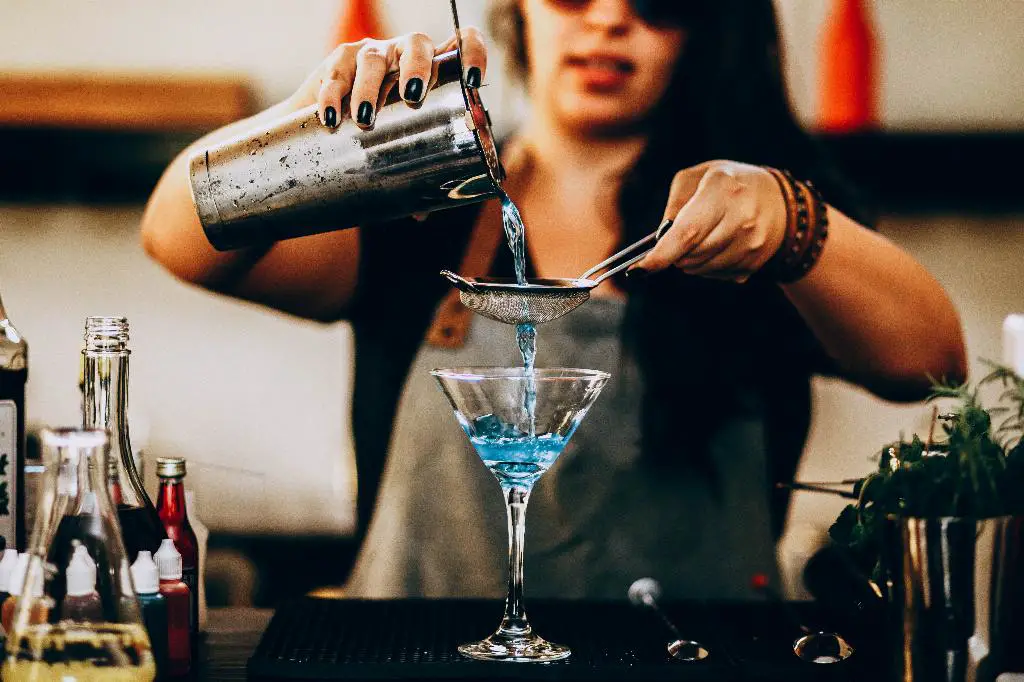
A Final Toast
So, as we raise our glasses and enjoy the exceptional gins available to us today, let us also toast to the spirit of resourcefulness and resilience embodied by bathtub gin. It may have been a product of its time, but its legacy lives on as a symbol of human creativity and the lengths people are willing to go for a taste of freedom.
