
When it comes to spirits, you will often find that certain types of alcohol, such as whiskey or rum, are aged in barrels to enhance their flavor profile and provide a unique character. However, one spirit that stands out from the rest in this regard is gin. If you have ever wondered why gin isn’t aged like other spirits, you’re not alone. In this article, we will delve into the reasons behind this intriguing phenomenon.
The Nature of Gin
Gin, by definition, is a distilled spirit that primarily derives its flavor from juniper berries. Unlike whiskey or rum, which can be made from a variety of grains or sugarcane, respectively, gin’s primary botanical ingredient is what sets it apart. The flavor of gin primarily comes from its infusion with juniper, as well as other botanicals such as coriander, citrus peels, or angelica root.
Distillation and Infusion
During the production of gin, the alcohol is distilled multiple times to achieve the desired level of purity. Once the neutral spirit is obtained, it is then infused with the carefully selected botanicals. This process allows the flavors and aromas of the botanicals to be extracted and incorporated into the gin. It is worth noting that the infusion process does not require aging in barrels.
Preserving the Botanical Profile
One of the main reasons why gin isn’t aged is to preserve the intricate botanical profile that defines its unique character. Aging in barrels, especially those that have previously held other spirits like whiskey or wine, can impart flavors and aromas that may overpower or alter the delicate botanical notes in gin. Distillers aim to maintain the purity and clarity of the botanical flavors, which is why aging is typically avoided in the production process.
Cost and Efficiency
From a practical standpoint, aging gin can be a costly and time-consuming process. Barrel aging requires storing large quantities of gin in warehouses for an extended period, which incurs expenses for the distillery. Moreover, given that gin’s flavor profile is achieved primarily through the infusion process, aging may not significantly enhance the end product. Distillers can focus on perfecting their infusion techniques and use that time and resources to create a more refined and flavorful gin.
Consumer Expectations
Another factor to consider is consumer expectations. Gin, historically, has been known for its fresh and botanical-forward appeal. Consumers often seek out gin for its crispness and versatility in cocktails. Aging gin could potentially disrupt this expectation, leading to a product that deviates too far from what gin enthusiasts anticipate. By maintaining the traditional production methods, distillers can ensure that gin delivers the desired characteristics that consumers have come to appreciate.
Innovation and Creativity
The absence of aging in gin production has also paved the way for innovation and creativity within the industry. Distillers focus on experimenting with different botanical combinations, utilizing unique distillation techniques, and exploring various flavor infusions. This allows for a continuously evolving landscape of gin varieties that cater to a wide range of tastes and preferences.
The Role of Barrel Aging in Gin
While gin itself is not typically aged, that does not mean that barrels have no role whatsoever in its production. Some distillers do opt to age their gin briefly in barrels to impart subtle influences and nuances to the final product. These may include using barrels that previously contained other spirits or using newer barrels that have not absorbed as much of the wood’s characteristics. However, such barrel aging is generally limited and carefully controlled to prevent overpowering the natural botanical elements.
Enjoying Gin’s Freshness
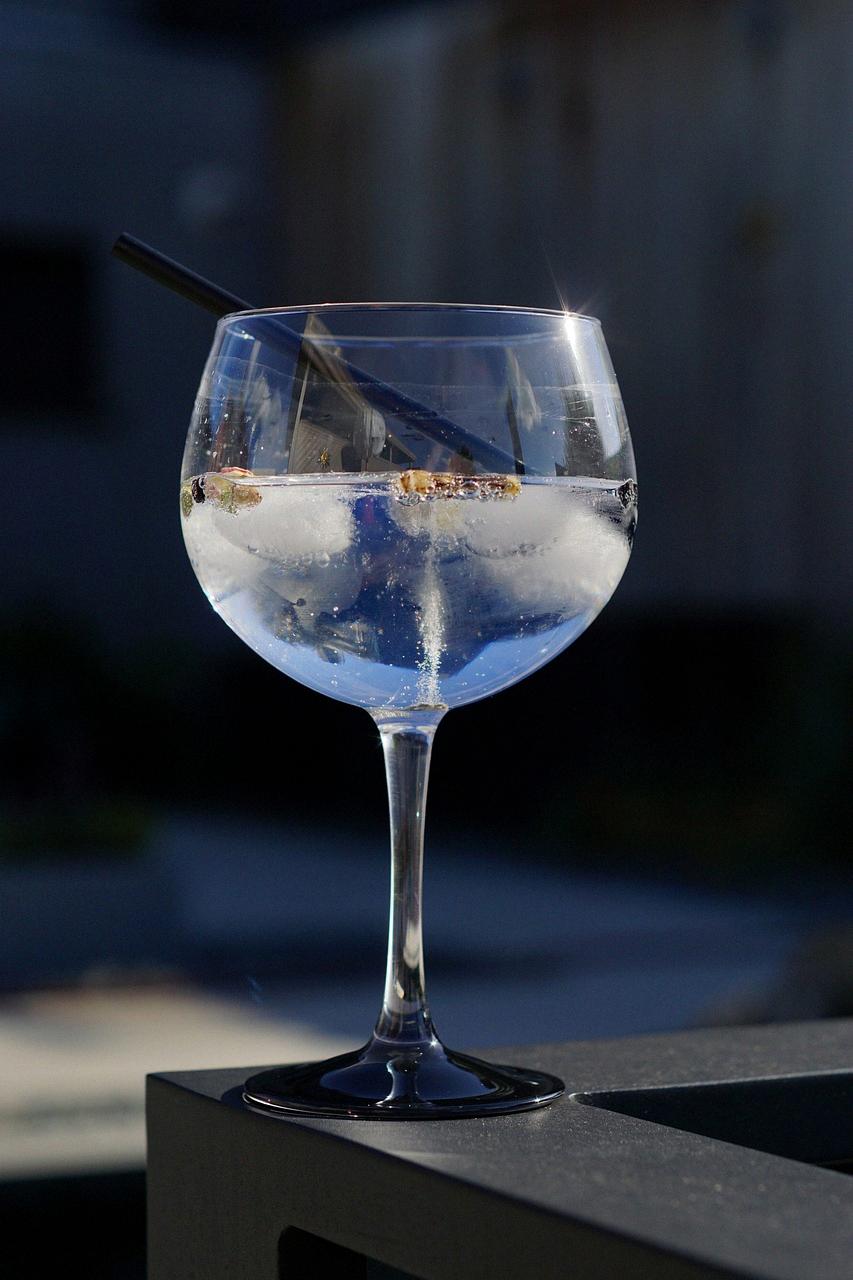
Gin’s absence of aging allows it to be enjoyed in its purest form. The lack of time spent in barrels contributes to its characteristic freshness and vibrant flavors, making it a versatile base for a wide range of cocktails. Whether you prefer a classic Gin and Tonic, a refreshing Martini, or an adventurous Negroni, the absence of aging ensures that gin delivers a bright and lively experience.
Breaking Traditions
The decision to not age gin has become a defining characteristic of this beloved spirit. Embracing its own unique production methods sets gin apart from other aged spirits. It challenges traditions and showcases the versatility and creativity of distillers within this ever-evolving industry. So, the next time you savor your favorite gin cocktail, take a moment to appreciate the artistry and craft behind its unaged, botanical brilliance.
In Conclusion
In summary, gin’s choice to remain unaged stems from the desire to preserve its delicate botanical flavors, control costs, meet consumer expectations, encourage innovation, and emphasize its fresh and vibrant character. While aging may have its place in other spirits, the absence of this process in gin production highlights the unique qualities that set gin apart within the world of distilled spirits.
