
When it comes to the world of spirits, there are countless varieties and flavors to choose from. From vodka to tequila to rum, each has its distinct characteristics and production processes. One spirit that stands out from the crowd is bourbon, a rich and complex American whiskey. But have you ever wondered why there is no sugar in bourbon? Let’s dive into the fascinating world of bourbon production to unravel this mystery.
The Ingredients: Water, Corn, Rye or Wheat, and Malted Barley
Bourbon starts with a carefully selected combination of ingredients. The main players in the bourbon recipe are water, corn, rye or wheat, and malted barley. These components come together to create the perfect balance of flavors that bourbon is known for. But notably missing from this list is sugar. Why?
Fermentation: Transforming Sugar into Alcohol
During the fermentation process, yeast is added to the mixture of ingredients. This yeast consumes the natural sugars present in the corn and converts them into alcohol through a chemical process called fermentation. The yeast acts as nature’s little alchemists, transforming these sugars into the magical elixir we know as alcohol. As a result, the sugar is effectively consumed and no longer remains in its sweet form.
Distillation: Purifying the Spirit
After the fermentation process, the liquid undergoes distillation, which further refines the bourbon. Distillation involves heating the liquid to separate the alcohol from other impurities and unwanted compounds. This process helps purify the spirit and contributes to its distinct character. However, the distillation process does not reintroduce sugar or any sweeteners into the mix.
Aging: Extracting Flavors from the Oak Barrels
One of the critical steps in producing bourbon is aging the spirit in charred oak barrels. During this process, the bourbon absorbs flavors from the wood, such as caramel, vanilla, and oak. These flavors contribute to the complexity and richness of the end product. However, no additional sugar is added during the aging process, as the unique flavors are derived solely from the charred barrels.
The Legal Requirements: No Added Sweeteners
Another crucial aspect to consider is the legal requirements set forth for something to be labeled as bourbon. In the United States, bourbon must adhere to specific regulations to carry the coveted title. According to these regulations, bourbon cannot have any added sweeteners, including sugar, during the production process. This strict adherence to tradition and craftsmanship ensures that bourbon maintains its true essence and flavor.
The Appeal of Bourbon Without Sugar
The absence of sugar in bourbon is precisely what makes it appealing to many whiskey connoisseurs. It allows the natural flavors of the corn, rye or wheat, and malted barley to shine through, creating a robust and authentic taste experience. Bourbon enthusiasts appreciate the intricate combination of ingredients and the craftsmanship involved in producing this unique spirit.
Alternative Sweeteners: Mixing Bourbon with Mixers
While bourbon may not contain sugar itself, it doesn’t mean you can’t enjoy a slightly sweeter bourbon experience. Many whiskey enthusiasts enjoy mixing bourbon with various mixers, such as cola, ginger ale, or even fruit juices, to add a touch of sweetness to their drink. These mixers can complement the bourbon’s flavors and provide a different taste profile without compromising the integrity of the spirit.
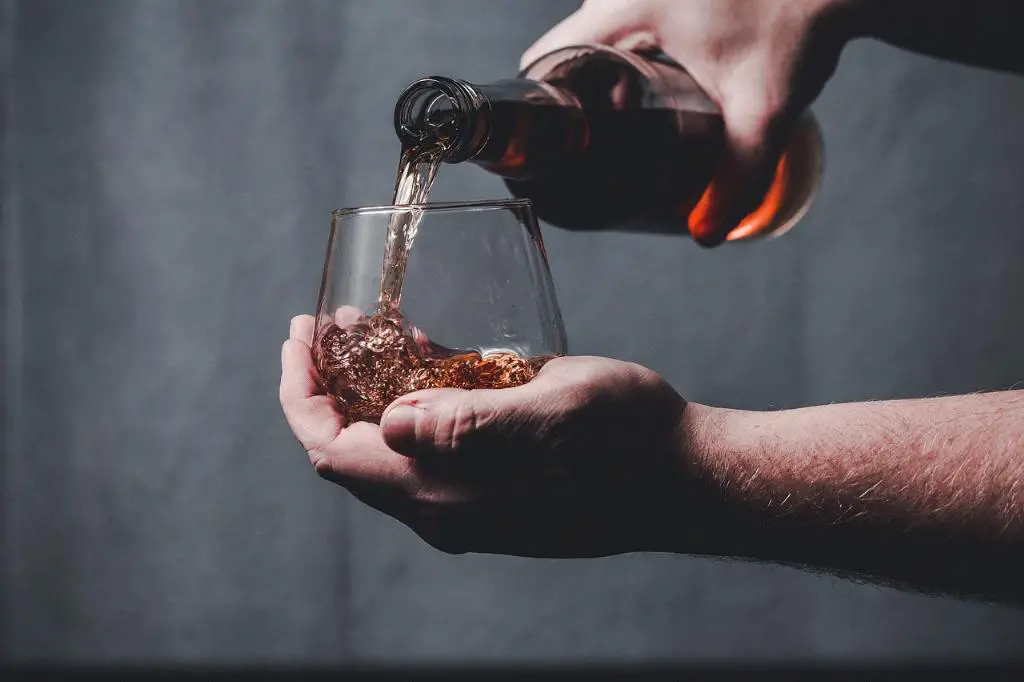
Conclusion: Bourbon’s Distinctive Flavors without Sugar
So, why is there no sugar in bourbon? The answer lies in the natural process of fermentation, distillation, and aging, where the sugars in the corn are transformed into alcohol and the flavors from the oak barrels are extracted. The legal requirements for bourbon production also play a role, prohibiting the addition of any sweeteners. The resulting spirit is a testament to the craftsmanship and tradition behind bourbon, offering a distinctive and complex flavor profile that captivates whiskey lovers worldwide.
