
If you’ve ever found yourself pondering why this delightful beverage is called cider, you’re not alone. The word “cider” may seem simple and straightforward, but its origins reveal a fascinating journey through history and etymology that has influenced the name we use today.
The Middle English Origins
The roots of the term “cider” can be traced back to Middle English, where it first appeared in the 13th century. Initially, it was referred to as “sicer” or “ciser,” meaning “strong drink” or “strong liquor.” This early usage suggests that cider was seen as a potent libation, perhaps reflecting its popularity and significance in medieval times.
From Sither(e) to Cidre
In the 14th century, the word began to evolve into “sither(e)” or “cidre,” signifying a beverage made from fruit juice. It is worth noting that during this time, cider was typically produced using a variety of fruits and not solely apples. However, as centuries passed, cider transitioned to being predominantly crafted from apples, and the term “cidre” eventually became synonymous with the apple-based beverage we know and love today.
The Influence of Language
The etymology of “cider” showcases how language and linguistic shifts have played an integral role in shaping its name. As English has evolved over time, so too has the terminology associated with various drinks, including cider. The transition from “sicer” to “sither(e)” to “cidre” mirrors the linguistic changes that have occurred throughout history.
Cultural Significance
Beyond etymology, cider holds immense cultural significance in regions where it is produced and consumed. In many countries, particularly in Europe and North America, cider has become a beloved staple of social gatherings, festivals, and traditional celebrations. The name “cider” has become inseparable from the cultural experiences and cherished memories associated with this beloved beverage.
A Distinct Identity
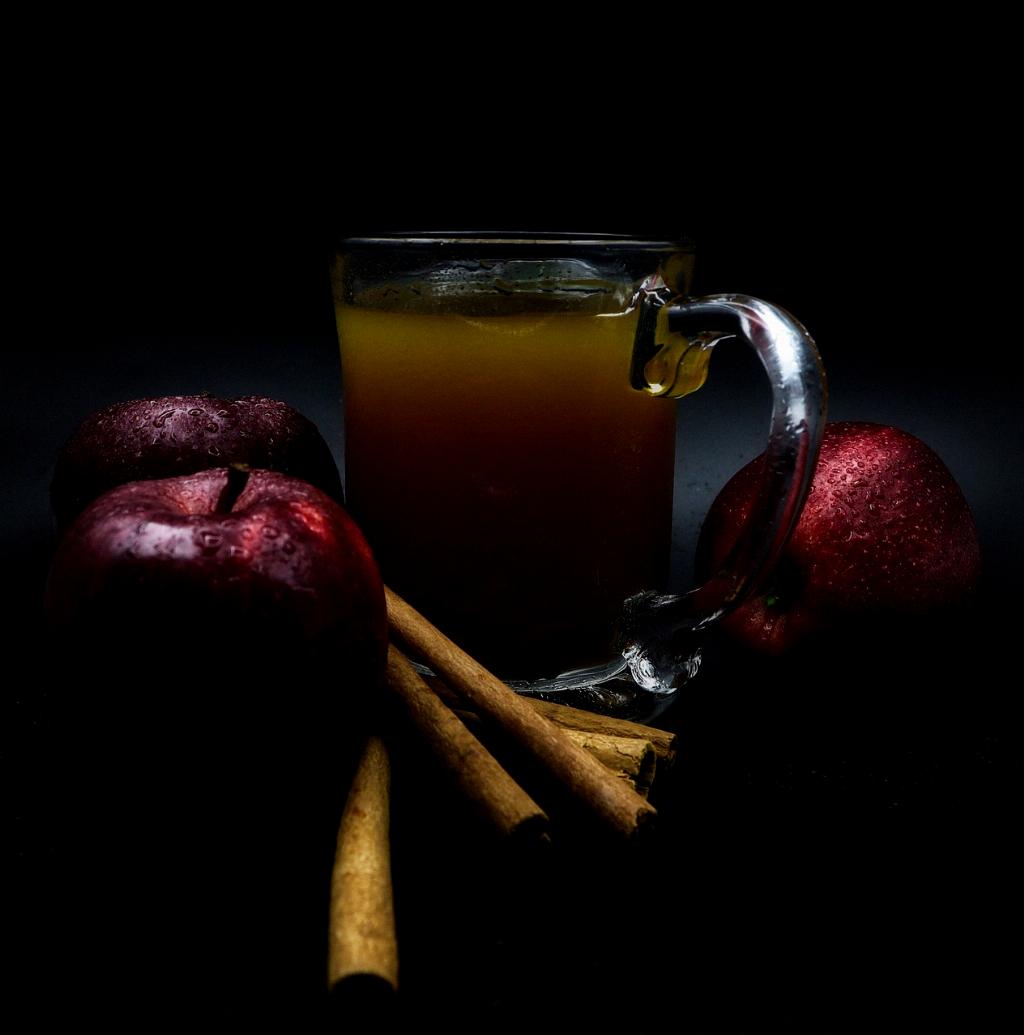
One of the reasons why cider is called cider is to establish its unique identity within the realm of alcoholic beverages. While other drinks like beer, wine, or spirits have their specific names, cider sets itself apart with a name that conveys its fruit-based nature. By using the term “cider,” consumers and enthusiasts immediately know that they are indulging in a refreshing drink made from the pressed juice of apples.
Historical Evolution
Another aspect that influenced the name “cider” is the historical development of the beverage itself. Cider has a rich heritage dating back centuries, and as it evolved and gained popularity, it acquired its individual label. The word “cider” encapsulates the tradition, craftsmanship, and cultural heritage that has been passed down from generation to generation.
Marketing and Market Demand
The name “cider” serves a practical purpose in the realm of marketing and market demand. By using a concise and recognizable term, producers and marketers can effectively communicate the product’s nature and appeal to a target audience. The name “cider” is catchy, straightforward, and instantly recognizable, which helps create a strong brand image and entices consumers to try this delicious beverage.
Pronunciation and Accessibility
The word “cider” also benefits from its easy pronunciation and accessibility. It rolls off the tongue effortlessly and is easily understood across different languages and cultures. This simplicity has contributed to its widespread adoption and recognition, making it a universally understood term for the delicious apple-based beverage.
A Reflection of Tradition
Lastly, the name “cider” embodies the traditions and customs associated with apple-based beverages. From ancient cider-making techniques to the apple orchards that dot the countryside, cider has become deeply intertwined with cultural practices and rituals. By utilizing the term “cider,” we pay homage to these long-standing traditions and honor the craft of cider production.
In Conclusion
So, why is cider called cider? The answer lies in the historical evolution of the word, influenced by language shifts, cultural significance, marketing strategies, and the unique identity of this apple-based beverage. Each time you savor a glass of cider, remember the journey it has taken to earn its name and the cultural richness it represents.
