
When it comes to the world of spirits, the varieties can sometimes seem overwhelming. Whiskey, in particular, has gained immense popularity in recent years, enticing enthusiasts with its rich flavors and diverse origins. However, navigating through the spirits aisle can leave many of us pondering the differences between various types of whiskey. Today, we will shed light on the distinction between two prominent categories: whiskey and Irish whiskey.
Ingredients: The Foundation of Flavor
To understand the dissimilarity between whiskey and Irish whiskey, we must begin with their ingredients. Irish whiskey, crafted with centuries-old traditions, is predominantly made using barley. The Irish believe that this specific grain imparts a uniquely smooth and light character to their whiskey.
On the other hand, whiskey, a broader category encompassing various styles such as Scotch, bourbon, and rye, offers more diversity in terms of ingredients. While corn, rye, and wheat are common components in American whiskey, other styles may incorporate malted barley and different grains to achieve distinct profiles.
Production Process: Unveiling the Techniques
Another point of differentiation lies in the production process of whiskey and Irish whiskey. Both follow a similar progression, starting with mashing the grains and fermenting the resulting mixture. However, it is during the distillation phase that their paths diverge.
Irish whiskey traditionally undergoes triple distillation, a meticulous process that contributes to its renowned smoothness and purity. This method involves passing the whiskey through three separate copper stills, resulting in a refined and delicate spirit.
Conversely, other styles of whiskey often undergo double distillation, which can leave some of the impurities intact. This distinction in distillation techniques significantly impacts the overall flavor profile of the respective whiskies.
Maturation: The Aging Journey
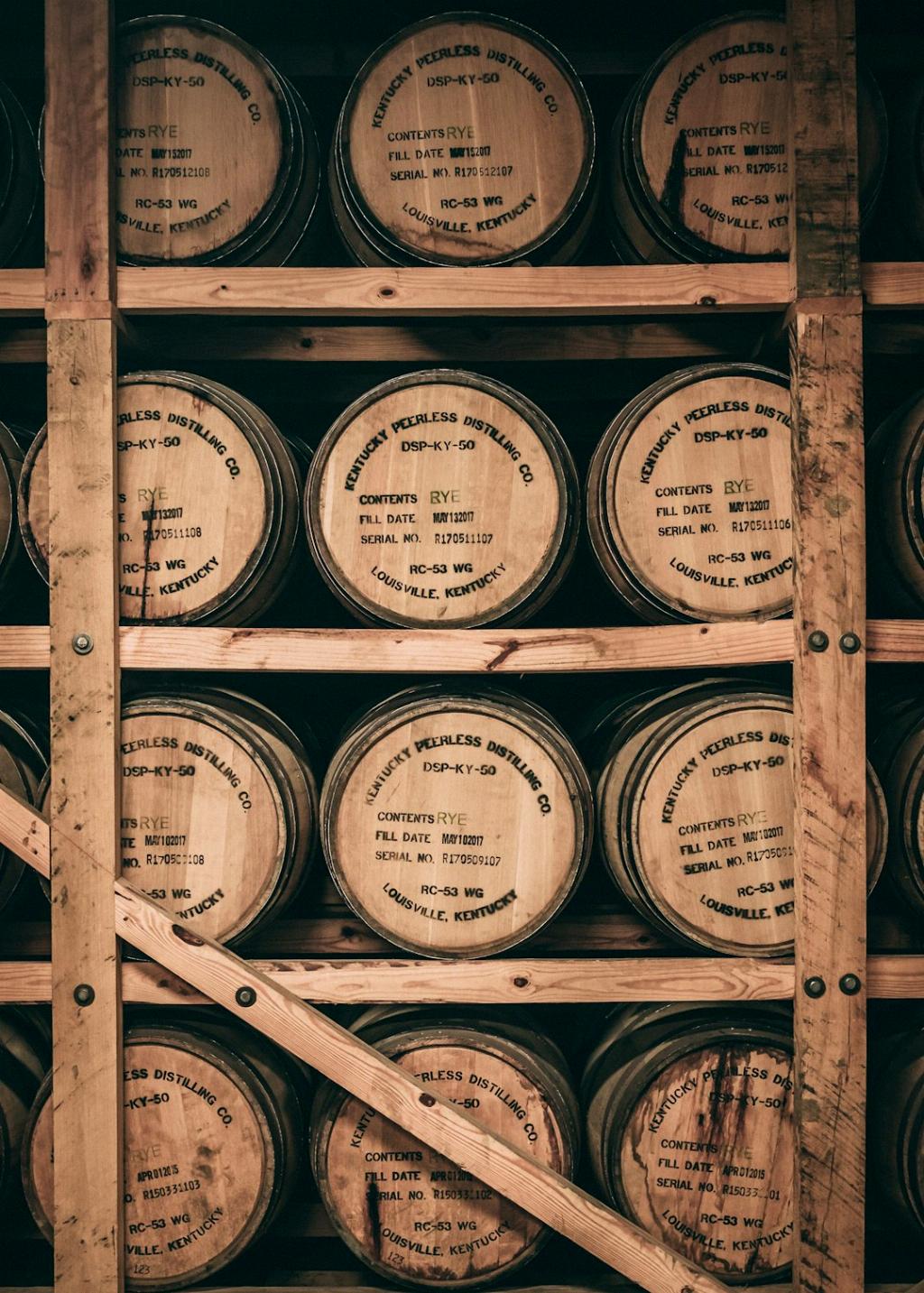
Maturation, a crucial stage in whiskey production, plays a pivotal role in shaping the final product. Both whiskey and Irish whiskey must be aged in wooden barrels, which infuse the spirit with exquisite flavors and aromas over time.
Irish whiskey regulations require a minimum aging period of three years, although many producers opt for longer maturation to achieve a greater depth of flavor. The aging process typically takes place in used barrels, which allows the smoothness of the spirit to harmonize with the subtle nuances imparted by the wood.
On the other hand, the aging requirements for other types of whiskey can differ. For instance, Scotch whisky must be aged for a minimum of three years in oak barrels. American bourbon, while not specifying a minimum aging period, must be aged in new charred oak barrels, contributing to its distinctive taste.
Taste Profiles: Exploring the Nuances
Now that we’ve unraveled the differences in ingredients, production process, and maturation, let’s delve into the taste profiles of whiskey and Irish whiskey.
Irish whiskey, known for its smoothness, offers a light and approachable flavor profile. It often exhibits notes of vanilla, honey, floral undertones, and a subtle hint of fruitiness. The triple distillation process contributes to its gentle and balanced nature, making it a delightful choice for both newcomers and seasoned whiskey aficionados alike.
On the other hand, other types of whiskey present a wider range of flavor profiles. Scotch whisky, for example, can vary from smoky and peaty to fruity and floral, depending on the region of production. American bourbon, with its higher corn content, often boasts a sweeter and richer flavor profile, while rye whiskey carries a spicier and drier taste.
Conclusion: An Appreciation for Diversity
In conclusion, the difference between whiskey and Irish whiskey lies in their ingredients, production process, maturation techniques, and ultimately, taste profiles. Irish whiskey’s emphasis on barley, triple distillation, and smoothness sets it apart from the broader whiskey category, which encompasses a multitude of styles influenced by various grains, distillation methods, and aging regulations.
As you embark on your whiskey journey, take the time to explore different types and immerse yourself in the unique characteristics each one offers. Whether you prefer the elegance of Irish whiskey or the boldness of other styles, the world of whiskey awaits, ready to captivate your senses and introduce you to a realm of unparalleled flavors.
