
Scotch Whisky, renowned for its rich history and distinctive flavor, is a beloved spirit cherished by whisky enthusiasts worldwide. But what truly makes a whisky qualify as “Scotch”? In this article, we will delve into the fascinating world of Scotch Whisky, exploring the key elements that define its unique identity and distinguish it from other whiskies.
Origins and Distillation Process
Scotch Whisky owes its origin to the picturesque land of Scotland. To be considered a true Scotch, it must be distilled and matured within the boundaries of this enchanting country. The traditional distillation process involves heating a mix of malted barley, water, and yeast in copper pot stills, which brings about the magic of transformation from simple ingredients to a complex and flavorsome spirit.
Age and Maturation
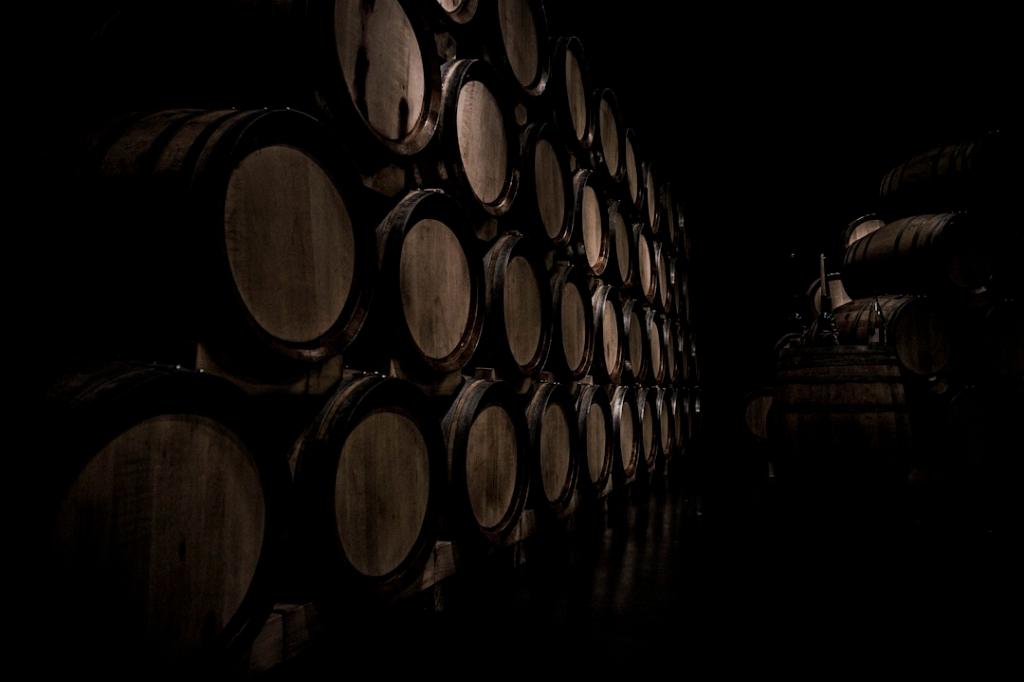
The maturation process is where the flavors and characteristics of Scotch Whisky truly come to life. By law, Scotch must be aged for a minimum of three years in oak casks. During this time, the whisky interacts with the wood, absorbing its flavors and undergoing a remarkable transformation. The longer the maturation period, the more time the whisky has to develop its signature qualities that are cherished by connoisseurs.
Scottish Terroir
The terroir of Scotland, with its unique climate and geography, plays a crucial role in shaping the character of Scotch Whisky. The water used in the production process, often sourced from natural springs, carries the essence of the surrounding land, infusing the whisky with its distinct regional flavors. The peat used to dry the malted barley adds a smoky and earthy dimension that is synonymous with many renowned Scotch Whiskies.
The Importance of Oak Casks
Oak casks are not just vessels for maturation; they are integral to the flavor profile of Scotch Whisky. The wood imparts desirable characteristics such as vanilla, caramel, and spice notes, enriching the spirit with complexity and depth. Additionally, the interaction between the whisky and the oak casks allows for oxidation, further refining the flavors and creating a harmonious balance.
Minimum Alcohol Strength
Another essential criterion for Scotch Whisky is its minimum alcoholic strength, which must be 40% ABV (alcohol by volume). This regulation ensures that the whisky retains its integrity and delivers the full expression of its flavors to the discerning palate. It also contributes to the longevity and stability of the spirit, ensuring its quality over time.
Quality and Legal Protection
Scotch Whisky’s reputation for exceptional quality is strongly safeguarded by stringent legal regulations. These measures protect consumers from counterfeit or substandard products while upholding the integrity of the industry. The Legal protection afforded to Scotch Whisky guarantees that it has been manufactured and matured in accordance with rigorous standards, delivering a consistent and reliable product to whisky enthusiasts worldwide.
The Art of Blending and Single Malts
Scotch Whisky comes in two primary forms: blended and single malt. Blended Scotch Whisky is a combination of different malt and grain whiskies, artfully blended together to create a harmonious and well-rounded flavor profile. Single malt Scotch, on the other hand, is made solely from malted barley and produced at a single distillery, resulting in a more singular and distinct taste experience.
The Influence of Tradition
Tradition and heritage are deeply ingrained in the production of Scotch Whisky. Many distilleries continue to use traditional methods and techniques passed down through generations, contributing to the time-honored character of the spirit. The dedication to craftsmanship and the reverence for time-honored practices ensure that the legacy of Scotch Whisky lives on.
The Whisky Regions of Scotland
Scotland is divided into distinct whisky regions, each with its own distinctive flavor profile. From the smoky and maritime whiskies of Islay to the fruity and delicate expressions of the Lowlands, each region offers a diverse range of flavors and characteristics. Exploring the whiskies from these different regions is a delightful journey through Scotland’s varied terroir.
Appreciating the Complexity of Scotch Whisky
Scotch Whisky is not merely a beverage; it is a sensory experience. Each sip reveals layers of flavors, aromas, and textures, inviting whisky enthusiasts to delve deeper into its complexity. From the gentle whispers of vanilla to the captivating dance of spices, every nuance tells a story of craftsmanship, tradition, and the soul of Scotland.
In Conclusion
So, what makes a Scotch Whisky? It is the culmination of Scotland’s rich heritage, craftsmanship, and natural resources coming together. From the unique distillation process and maturation in oak casks to the influence of the Scottish terroir, each element contributes to the creation of a truly exceptional spirit. Scotch Whisky is an embodiment of tradition, quality, and a testament to the remarkable artistry of distillation. Raise a glass and savor the magic of Scotch Whisky, a spirit that continues to captivate the hearts of whisky enthusiasts around the world.
