
When it comes to the diverse world of alcoholic beverages, one term that often comes up is “ale.” So, what exactly makes a drink an ale? Let’s delve into this fascinating topic and uncover the defining characteristics that set ales apart from other beverages.
The Essence of Ales
Ales are a type of fermented malt beverage that have been around for centuries. They are known for their full-bodied nature, providing a rich and robust taste experience to those who savor them. Unlike lagers, ales are generally top-fermented, resulting in a unique set of flavors and aromas that captivate the palate.
The Role of Hops
One prominent feature that distinguishes ales from other drinks is the strong presence of hops. Hops are flowers that contribute a distinct bitterness to the beverage, balancing out the sweetness of the malt. This bitterness is not only a defining characteristic of ales, but it also acts as a preservative, giving them a longer shelf life. In fact, the addition of hops to ales became a widespread practice in the late 17th century, transforming them into the beers we know today in England.
An Old Tradition
Ales have a rich historical lineage, particularly in England, where they have been brewed for centuries. They hold a special place in the hearts of many beer enthusiasts and are a vital part of the brewing traditions that have shaped the beverage industry. In England, the term “ale” has become synonymous with beer, showcasing the profound impact ales have had on the culture and language associated with beer consumption.
The Fundamental Ingredients
Now that we have explored the essence and history of ales, let’s dive into the fundamental ingredients that make these beverages what they are. Ales are crafted using a blend of yeast, water, and malt. Yeast plays a crucial role in the fermentation process, converting the sugars from the malt into alcohol and carbon dioxide. The selection of yeast strains used in brewing ales greatly influences their flavor profiles and overall character.
A Plethora of Styles
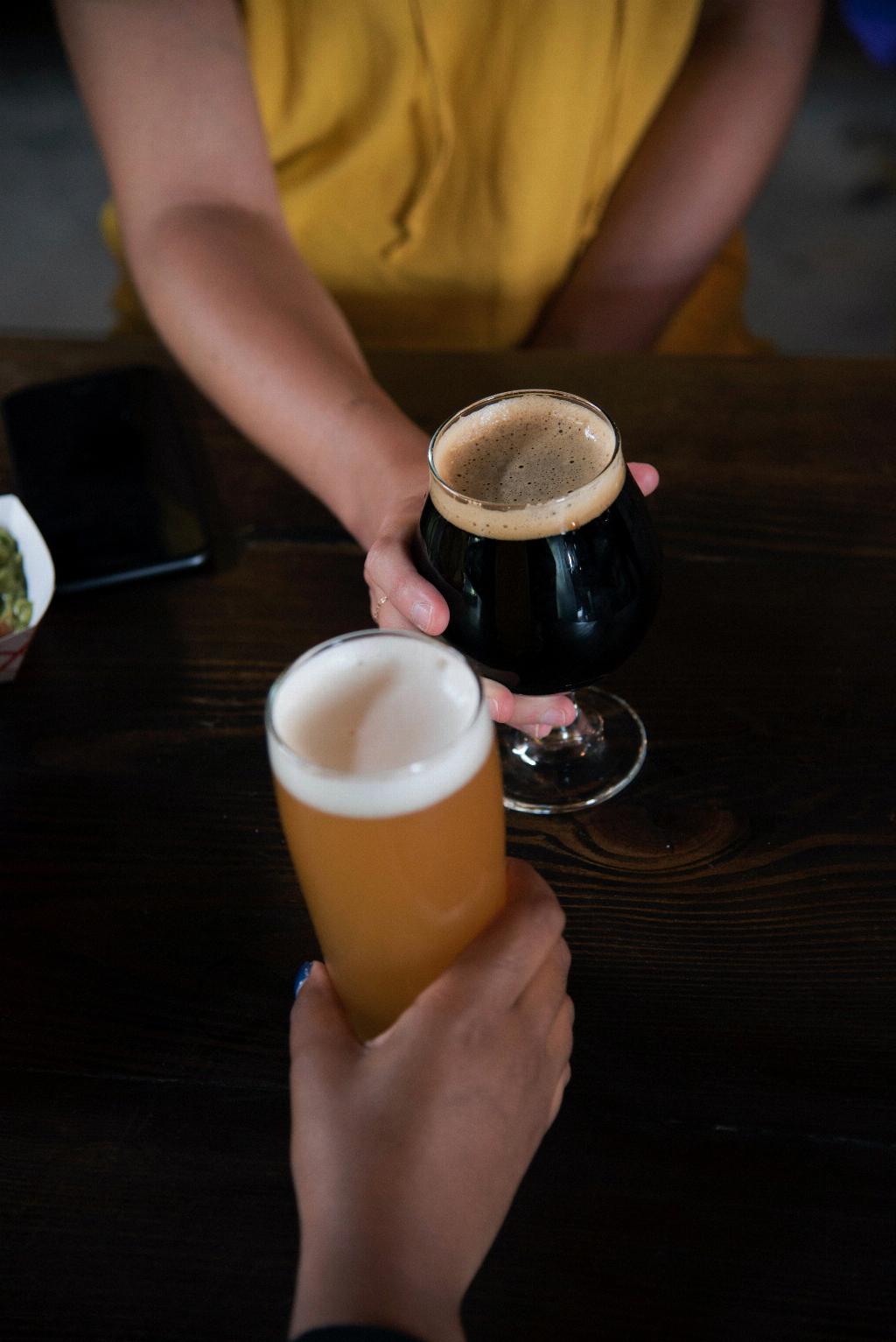
One of the things that make ales so intriguing is the vast array of styles that fall under this broad category. From pale ales and India pale ales (IPAs) to stouts, porters, and Belgian ales, there are endless options to explore and enjoy. Each style brings its own unique combination of flavors, colors, and aromas, offering something for every beer enthusiast.
Ales Around the World
While ales may have originated in England, their influence has spread across the globe. Many countries have embraced this style of beer and put their own unique spin on it. Craft breweries around the world continue to experiment with different ingredients, techniques, and flavor profiles to create innovative and exciting ales that cater to diverse palates.
The Craft Beer Revolution
The rise of the craft beer movement has also played a significant role in the resurgence of interest in ales. Artisanal breweries have breathed new life into this ancient beverage, pushing boundaries and challenging traditional norms. Craft brewers have revived forgotten styles, experimented with novel ingredients, and ignited a renewed passion for ales among beer enthusiasts worldwide.
Ales for Every Occasion
Whether you’re enjoying a pint at your local pub, pairing ales with a delicious meal, or simply savoring a bottle on a cozy evening at home, these beverages have a versatility that makes them suitable for a wide range of occasions. Ales can be refreshing and light-bodied or bold and complex, accommodating various preferences and tastes.
Exploring the World of Ales
Embarking on a journey through the world of ales is an adventure in itself. With so many flavors, styles, and brewing techniques to discover, there is always something new and exciting to try. So, whether you consider yourself a seasoned beer aficionado or are just beginning to explore the vast realm of craft beverages, ales offer a gateway to a world of taste and tradition.
Conclusion
In conclusion, ales are unique fermented malt beverages that stand out due to their full-bodied nature, strong flavor and aroma of hops, and historical significance. They bring together the fundamental ingredients of yeast, water, and malt, and have countless variations that cater to different taste preferences. Ales have a rich history and continue to evolve with the craft beer revolution, making them an exciting and versatile choice for beer enthusiasts around the globe.
