
When it comes to producing the popular and beloved spirit known as whiskey, a specific type of still plays a crucial role in the production process. Whiskey, with its distinct flavors and aromas, requires a careful and precise distillation method to bring out its unique character. So, what kind of still is used for whiskey? Let’s dive into the world of distillation and discover the answer.
Pot Stills: Unveiling the Secrets of Whiskey Production
At the heart of whiskey production lies the pot still, a traditional and iconic piece of equipment. Pot stills have been used for centuries to distill spirits, including whiskey, brandy, rum, and schnapps. These stills have a distinctive shape that distinguishes them from other types of stills. Their design allows for a more flavorful and complex spirit to be produced.
The pot still consists of a large, typically copper, pot with a swan neck and condensing coil. This unique shape and construction support the flavor development and contribute to the distinctiveness of whiskey. The pot still operates by heating a liquid mixture, known as the wash, causing its alcohol content to vaporize. The vapor then rises through the still and condenses, resulting in a more concentrated and refined spirit.
A Journey of Flavor: The Art of Distillation
Distillation is an art form that helps shape the flavors and characteristics of whiskey. The pot still’s ability to retain and concentrate desirable flavors and aromas allows distillers to create a wide range of whiskey styles, from light and floral to rich and robust.
During the distillation process, the vapors that rise through the still gradually transition from containing volatile compounds to the more desirable flavors and aromas. These compounds, often referred to as congeners, are responsible for the complexity and depth found in whiskey. The pot still’s design facilitates the retention and integration of these congeners, resulting in the unique taste profiles we associate with whiskey.
A Glimpse into Reflux Column Stills
In addition to pot stills, another type of still commonly used in modern distilleries is the reflux column or compound still. While pot stills remain the preferred choice for whiskey production, reflux stills offer a different approach.
Reflux column stills, with their tall columns packed with plates or packing material, allow for a more efficient and precise separation of alcohol from other compounds. They can produce high-proof, neutral spirits that serve as the base for vodka or grain spirits. However, these stills are not typically used exclusively for whiskey production.
The Uniqueness of Whiskey: Pot Still vs. Reflux Column
While reflux column stills can be used to produce a base spirit for whiskey, the true character of this beloved spirit is achieved through the pot still distillation process. The pot still’s shape, materials, and distillation method capture and preserve the essence of the grains used in whiskey production, resulting in the diverse range of flavors and styles we enjoy.
By contrast, reflux column stills focus on producing a purer and more neutral spirit, which lacks the complex flavor profile inherent in whiskey. The uniqueness and depth of whiskey require the craftsmanship and artistry of pot stills.
In Conclusion
So, to answer the question “What kind of still is used for whiskey?,” the distillation process for whiskey primarily relies on pot stills. These iconic stills, with their shape and design, capture the essence of the grains and create the rich, complex flavors and aromas that make whiskey so beloved. While reflux column stills have their place in the spirits industry, they don’t hold the same allure as pot stills when it comes to crafting this distinctive and timeless spirit.
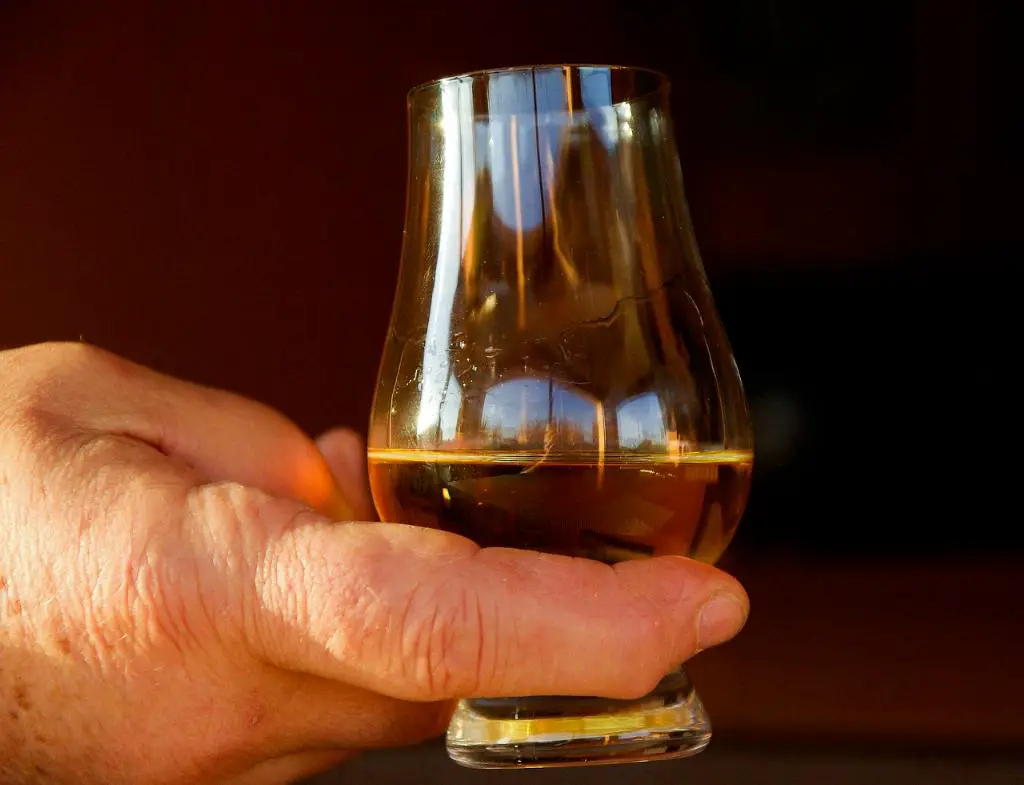
Next time you savor a glass of whiskey, take a moment to appreciate the craftsmanship and expertise that goes into every drop, courtesy of those magnificent pot stills.
