
When it comes to beer, there’s no shortage of variety and regional preferences. One popular style that often sparks curiosity and debate is the difference between American Pilsner and German Pilsner. While they may share a name and certain characteristics, each has its own unique qualities that set them apart. Let’s delve into the nuances and explore the distinct differences between these two iconic beer styles.
1. The Origin Story
German Pilsner, also known as German-style Pils or German Pils, traces its roots back to its birthplace – Germany. This renowned beer style emerged in the mid-19th century and quickly gained popularity across Europe and beyond. On the other hand, American Pilsner emerged later in the early 20th century as a response to its European counterpart, with American brewers putting their own twist on the classic style.
2. Hop Varieties
One of the key differentiators between American and German Pilsners lies in the choice of hops. German Pilsners typically rely on noble hop varieties such as Hallertau, Tettnang, or Saaz. These hops impart a delicate and refined hop character, often described as herbal, floral, or earthy. In contrast, American Pilsners often showcase American hop varieties that can bring out bolder and more vibrant hop flavors, with notes of citrus, pine, and even tropical fruits.
3. Bitterness Levels
Another aspect that distinguishes these two beer styles is the level of bitterness. German Pilsners tend to have a moderate to high level of bitterness, providing a crisp and refreshing taste. The bitterness is well-balanced with the malt sweetness, creating a harmonious flavor profile. American Pilsners, on the other hand, may have a slightly lower bitterness level, allowing the hops to shine through with more prominent flavors and aromas.
4. Malt Profiles
While hops play a significant role in both German and American Pilsners, the malt profiles also contribute to their unique characters. German Pilsners typically showcase a light and clean malt profile, allowing the hops to take center stage. The malt flavors are subtle, providing a smooth and crisp backbone for the beer. In contrast, American Pilsners may have a slightly more pronounced malt presence, adding some mild caramel or biscuit-like flavors to the mix.
5. Water Composition
Water composition plays an essential role in brewing and can significantly impact the final beer. German Pilsners are often brewed with soft water, low in mineral content, which helps achieve a crisp and clean finish. This water profile allows the delicate hop and malt flavors to shine through. American Pilsners, however, may be brewed with water that has a slightly higher mineral content, providing a slightly fuller mouthfeel and contributing to the overall flavor profile.
6. Fermentation Techniques
Fermentation is a critical step in beer production, and the techniques employed can influence the final product. German Pilsners frequently undergo a lager fermentation process, where yeast is fermented at colder temperatures. This method results in a cleaner and crisper beer with a well-rounded flavor. American Pilsners may also employ lager fermentation techniques but can sometimes incorporate ale yeast or hybrid yeast strains, giving them a slightly different flavor profile and potentially more fruity esters.
7. Alcohol Content
While both German and American Pilsners are generally considered light and refreshing beers, there can be some variation in alcohol content. German Pilsners typically have a moderate to slightly higher alcohol content, ranging from around 4.5% to 5.5% ABV (alcohol by volume). American Pilsners, on the other hand, may have a slightly lower alcohol content, often falling within the 4% to 5% ABV range.
8. Serving Traditions
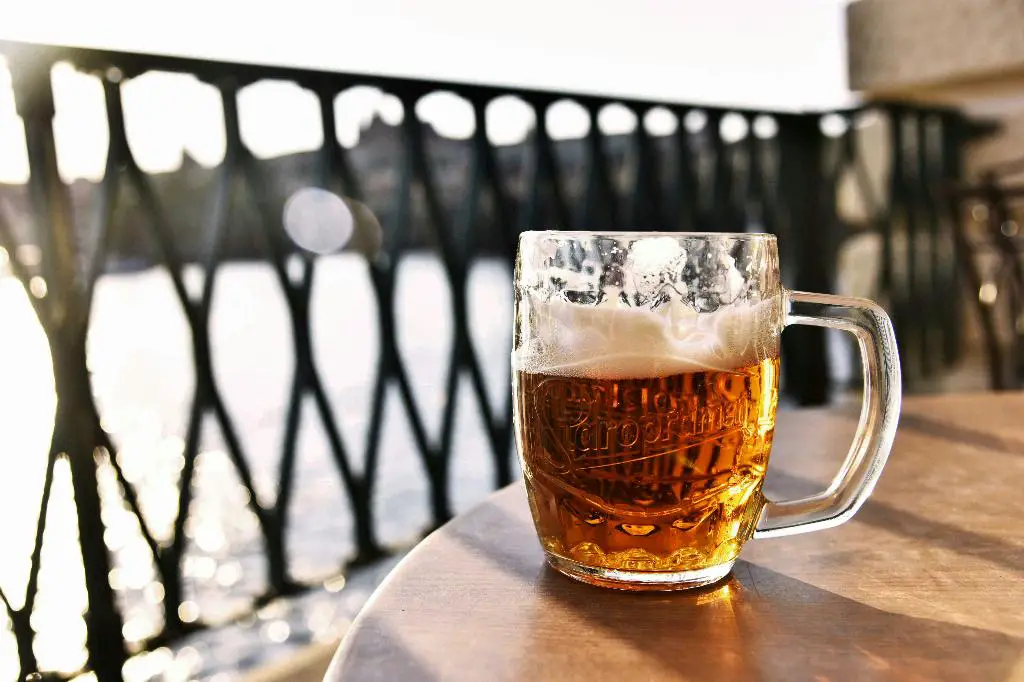
The way these beers are traditionally served also reflects their cultural roots. German Pilsners are often enjoyed in tall, narrow glasses known as Pilsner glasses. The shape helps showcase the beer’s color, carbonation, and allows the flavorful aromas to reach the drinker’s nose. American Pilsners, while not limited to specific glassware, are commonly served in pint glasses or cans, aligning with the American beer-drinking culture.
9. Food Pairings
Both German and American Pilsners are versatile when it comes to food pairings. German Pilsners beautifully complement traditional German dishes such as bratwurst, schnitzel, or sauerkraut. The beer’s crispness and bitterness cut through the richness of these hearty foods. American Pilsners, with their slightly bolder hop presence, can be a great match for spicier cuisines, grilled meats, or even classic American bar snacks like buffalo wings or nachos.
10. Regional Preferences
Lastly, it’s essential to consider regional preferences when discussing the differences between American and German Pilsners. German Pilsners are highly regarded in Europe and are often associated with German beer culture and the Reinheitsgebot (German Beer Purity Law). Conversely, American Pilsners have a strong presence in the United States, where they are beloved by many as a classic and refreshing beer style.
In Conclusion
While both German Pilsner and American Pilsner share a common origin and serve as perennial favorites among beer enthusiasts, they each embody distinct characteristics that make them stand out. From the choice of hops and bitterness levels to the malt profiles and fermentation techniques, every element contributes to a unique taste experience. So, whether you savor the delicate floral notes of a German Pilsner or the vibrant hop flavors of an American Pilsner, the choice ultimately boils down to personal preference and the desire to explore the diverse world of beer.
