
When it comes to the world of beer, there are countless styles to choose from, each with its unique characteristics and flavors. Two popular types that often capture the attention of beer enthusiasts are Pilsner and Munich Helles. Although both of these beers fall into the lager category, there are distinct differences that set them apart and make each one a remarkable choice in its own right.
The Origins and Regional Influence
The first significant divergence between Pilsner and Munich Helles lies in their places of origin. Pilsner, as the name suggests, was birthed in the Czech city of Pilsen in the early 19th century. On the other hand, Munich Helles hails from Bavaria, Germany.
Flavor Profiles: Maltiness and Hoppiness
The regional distinctions between Pilsner and Munich Helles have a profound impact on their flavor profiles. Munich Helles tends to be maltier and hoppier compared to Pilsner. It boasts a rich, bready malt character that imparts a slightly sweet taste alongside a more pronounced hop presence. This combination results in a fuller-bodied brew with a well-rounded flavor.
Pilsner, on the other hand, leans towards a lighter, crisper taste. It often exhibits a subtle spicy hoppy undertone, which adds a delicate balance to the beer’s overall profile. The emphasis is placed on a clean and refreshing experience, making it a popular choice for those seeking a lighter lager.
Aesthetics: Color and Clarity
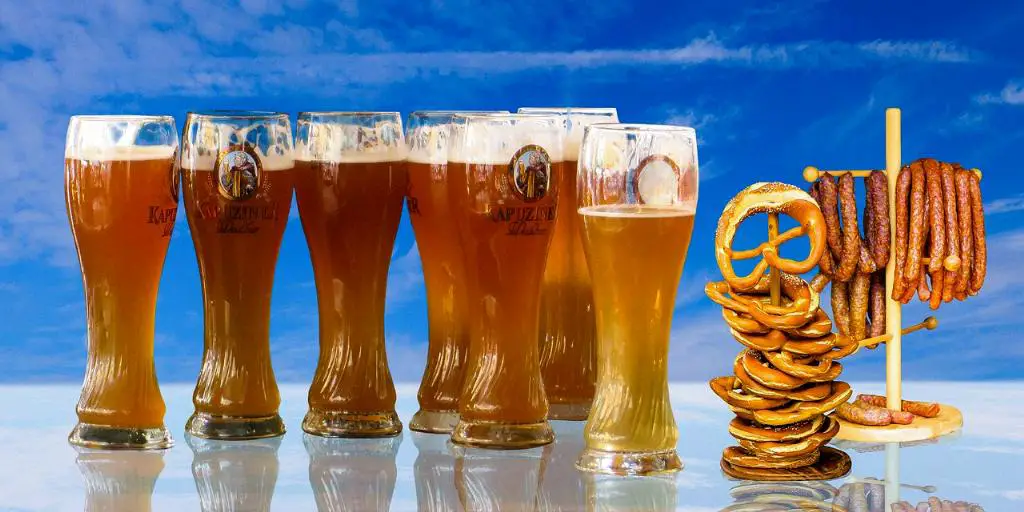
Another area where Pilsner and Munich Helles deviate is in their appearance. Munich Helles tends to exhibit a deeper golden hue, showcasing a slightly richer color compared to the pale golden color of Pilsner. Additionally, Munich Helles often displays exceptional clarity, allowing the enticing color to shine through, while Pilsner may have a touch of haze.
Alcohol Content and Drinkability
When it comes to alcohol content, both Pilsner and Munich Helles typically fall into a similar range. However, Munich Helles may occasionally have a slightly higher alcohol by volume (ABV) due to its maltier nature. Nonetheless, both styles are known for their outstanding drinkability, making them ideal choices for a refreshing and satisfying pint.
Pairing Possibilities
Whether you’re enjoying a Pilsner or a Munich Helles, it’s always exciting to explore the various food pairing options that complement these delightful brews. Pilsner’s lighter and crisp qualities make it an excellent accompaniment to dishes such as grilled seafood, salads, and light pastas. Meanwhile, the maltier and hoppier characteristics of Munich Helles make it a fantastic match for heartier fare like roasted meats, sausages, and rich cheeses.
Choosing Between Pilsner and Munich Helles
Ultimately, whether you lean towards Pilsner or Munich Helles depends on your personal preference and the flavors you seek in a lager. If you’re after a lighter, clean, and crisp beer with a subtle hoppy undertone, Pilsner may be your go-to choice. Conversely, if you prefer a more malt-forward and hop-forward experience, with a touch of sweetness and a slightly richer body, Munich Helles could become your new favorite.
Expanding Your Beer Horizons
With so many distinct beer styles out there, it’s incredibly rewarding to explore the nuances and differences between each one. Both Pilsner and Munich Helles offer beer enthusiasts an opportunity to dive into the wonders of lager brewing. Next time you’re at a pub or brewery, consider savoring a pint of each to truly appreciate the unique characteristics and flavors that make Pilsner and Munich Helles a worthy addition to your beer adventures.
