
When wine is aged or fermented in a barrel, it goes through a process called barrel aging. Barrel aging refers to the period of time the wine spends in oak barrels to impart flavors, aromas, and enhance its overall quality. This traditional method has been utilized for centuries and is still widely practiced today in winemaking.
Barrel Fermentation: A Richer Style
One method of utilizing barrels in winemaking is barrel fermentation. Instead of fermenting the wine in stainless steel tanks, the grapes are fermented directly in oak barrels. This process adds complexity and depth to the wine, resulting in a richer and often creamier style. The oak barrels contribute flavors of vanilla, spice, and toasty notes that integrate seamlessly with the fruit characteristics of the wine.
The Role of Barrels in Winemaking
Barrels play a crucial role in the winemaking process, beyond just aging and fermentation. They can add structure to the wine, allowing for gentle oxidation and micro-oxygenation, which can soften harsh tannins and help the wine evolve over time. Additionally, the oak barrels provide a controlled environment for the wine, allowing it to develop complex flavors and aromas.
Barriques: The French Term for Barrels
In the world of winemaking, the French term for a barrel is “barrique.” A barrique typically has a capacity of 225 liters and is often made from oak. This specific size allows winemakers to manage the aging process more effectively, ensuring that the wine benefits from the contact with oak without being overwhelmed by it.
The Influence of Oak on Wine
Oak barrels can significantly influence the characteristics of the wine. During aging, the wood imparts flavors such as vanilla, caramel, and baking spices. These flavors can complement the grape varietal’s natural flavors, adding complexity and depth. The porous nature of the wood also allows for gradual oxygen exposure, which can contribute to the wine’s texture and mouthfeel.
Types of Oak Used in Winemaking
Winemakers have the choice of using different types of oak for their barrels, each with its own distinct characteristics. French oak is often sought after for its elegant and subtle influence, lending delicate flavors and a silky texture to the wine. American oak, on the other hand, tends to be more bold and pronounced, infusing the wine with flavors of coconut, dill, and sweet spice.
The Aging Process and Its Impact
The length of time a wine spends in a barrel can vary depending on the winemaker’s preference and the style of wine they aim to produce. Red wines, such as Cabernet Sauvignon or Merlot, may spend anywhere from six months to two years in a barrel. White wines, such as Chardonnay, often have shorter aging periods, typically between six and twelve months.
Benefits of Barrel Aging
Barrel aging offers numerous benefits to the wine. Firstly, it allows for slow and controlled oxidation, which softens the wine’s tannins and results in a smoother mouthfeel. The interaction with the oak also enhances the wine’s aromas and flavors, adding complexity and layers of depth. Furthermore, the micro-oxygenation that occurs in barrels aids in the maturation process, allowing the wine to evolve gracefully over time.
Factors Influencing Barrel Choice
When selecting barrels for aging wine, several factors come into play. The grape varietal, desired style, and regional traditions all contribute to the decision-making process. Some winemakers prefer neutral barrels that impart minimal oak influence, allowing the fruit to shine through, while others seek new barrels for a more pronounced oak impact.
Barrel Alternatives: Innovation in Winemaking
While oak barrels have long been the traditional vessel for aging wine, winemakers have begun exploring alternative options. Stainless steel tanks, concrete eggs, and oak alternatives such as oak chips or staves have gained popularity in recent years. These alternatives offer winemakers more control over the aging process and allow for experimentation with different flavors and textures.
Barrel vs. Tank: Comparing Fermentation Methods
The choice between barrel fermentation and tank fermentation depends on the desired outcome for the wine. Barrel fermentation imparts distinct oak flavors and contributes to a fuller-bodied, more complex wine. Tank fermentation, on the other hand, preserves the primary fruit flavors and results in a fresher and fruit-forward style. Both methods have their merits, and winemakers often choose based on the grape varietal and wine style they wish to achieve.
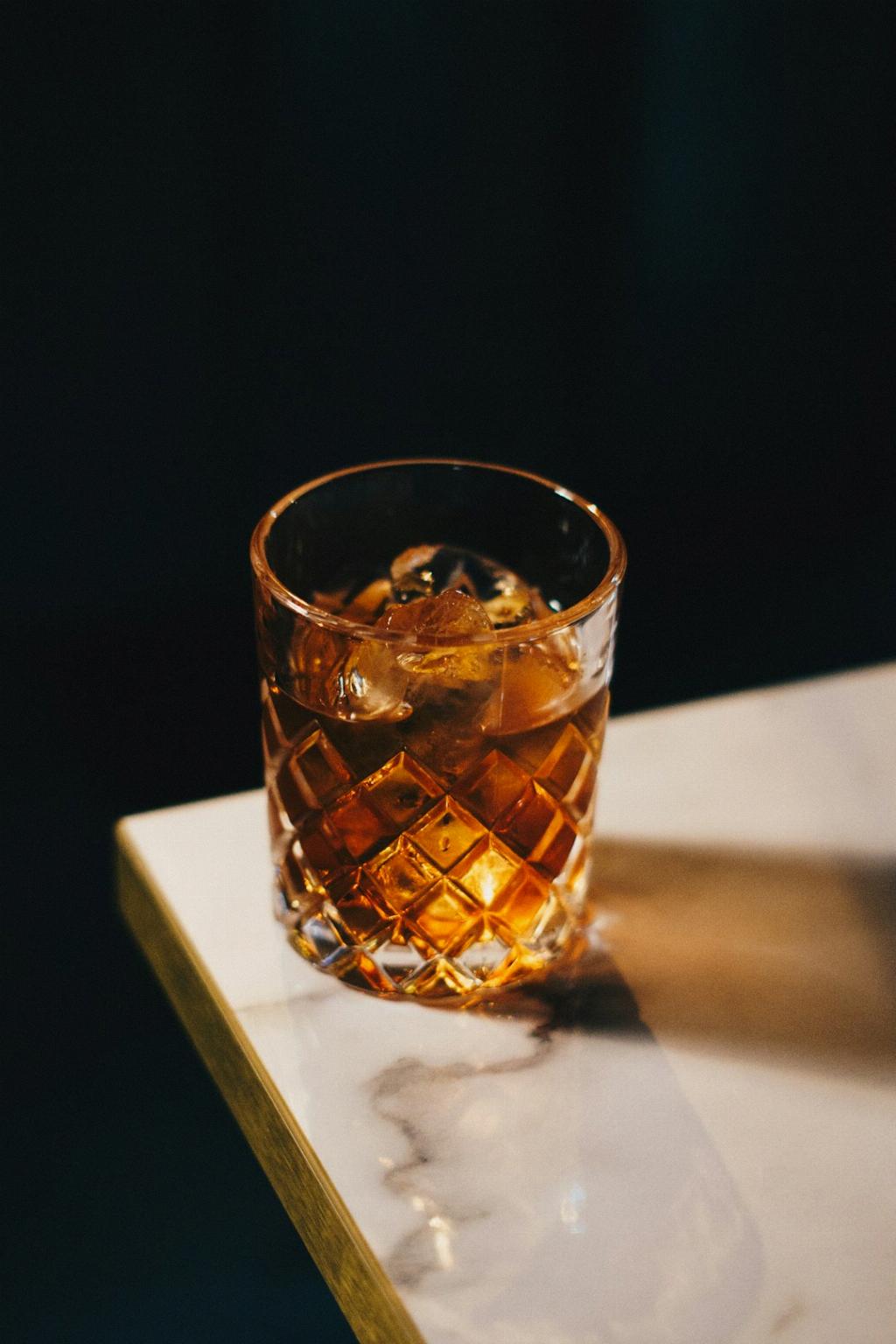
The Artistry of Barrel Aging
Barrel aging is an art form in the world of winemaking. It requires patience, skill, and a deep understanding of how oak interacts with wine. Each barrel has its own unique characteristics, and the winemaker must carefully craft and monitor the aging process to achieve the desired outcome. The result is a wine with enhanced complexity and depth, offering a truly exceptional tasting experience.
