
When it comes to beer, Germany has a rich and storied brewing tradition that dates back centuries. Renowned for their dedication to quality and craftsmanship, Germans have developed a wide range of beer styles, each with its own distinct character and flavor. Amongst this flavorful tapestry of brews, one question that often arises is: What is German beer called?
The Versatility of German Wheat Beers
If you find yourself yearning for a refreshing wheat beer, German brewing culture has you covered. Known as “Weizenbier” or “Wei?bier” in German, wheat beer is a popular choice among beer enthusiasts worldwide. The term “Weizen” translates to “wheat,” while “wei?” means “white.” This combination of wheat and yeast creates a unique, light-colored brew that boasts a distinctive creamy texture and a delightful banana and clove aroma.
Unfiltered Wheat Beer: Embracing the Hefeweizen
Within the realm of German wheat beers, one category stands out for its cloudy appearance and full-bodied flavor – “Hefeweizen.” Translating to “yeast wheat,” Hefeweizen refers to the unfiltered variety of wheat beer. Its characteristic cloudiness, thanks to the suspended yeast, adds a velvety smoothness to the brew. With its slightly fruity and spicy notes, Hefeweizen tantalizes the taste buds and leaves beer lovers craving for more.
Exploring the Dark Side: Dunkelweizen
For those who prefer their beer with a touch of darkness, Dunkelweizen is the way to go. Derived from the German words “dunkel” meaning “dark” and “weizen” meaning “wheat,” this beer style offers a rich mahogany color and a flavor profile that combines the smoothness of wheat beer with the toasty, caramel notes of roasted malts. Dunkelweizen is like a cozy campfire on a cool autumn night, warming both the body and the soul.
Looking Beyond Wheat Beers
While wheat beers steal much of the spotlight, German beer culture encompasses a wide array of other beer styles. From the effervescent and thirst-quenching Berliner Weisse to the robust and malty Doppelbock, there is a beer to suit every palate. Germans have mastered the art of brewing lagers as well, with iconic styles like Pilsner and Helles gaining worldwide acclaim for their crispness and balance.
Regional Delights: Exploring German Beer Diversity
What makes German beer even more fascinating is the regional diversity that can be found throughout the country. From the hop-forward, bitter beers of the Bavarian region to the delicate, fruity flavors of Kölsch in Cologne, each area of Germany boasts its own beer specialties. Whether you’re a traveler wanting to immerse yourself in the local beer scene or a beer aficionado seeking new experiences, German beer offers a fascinating journey of flavors.
Raising a Glass to German Beer Culture
German beer culture goes far beyond the names and styles. It is rooted in centuries of tradition and an unwavering commitment to quality. German brewers adhere to strict brewing laws, ensuring that every sip you take is a testament to their expertise and skill. So next time you find yourself wondering what German beer is called, remember that it encompasses a world of flavors, from the refreshingly zesty to the dark and velvety, all waiting to be savored.
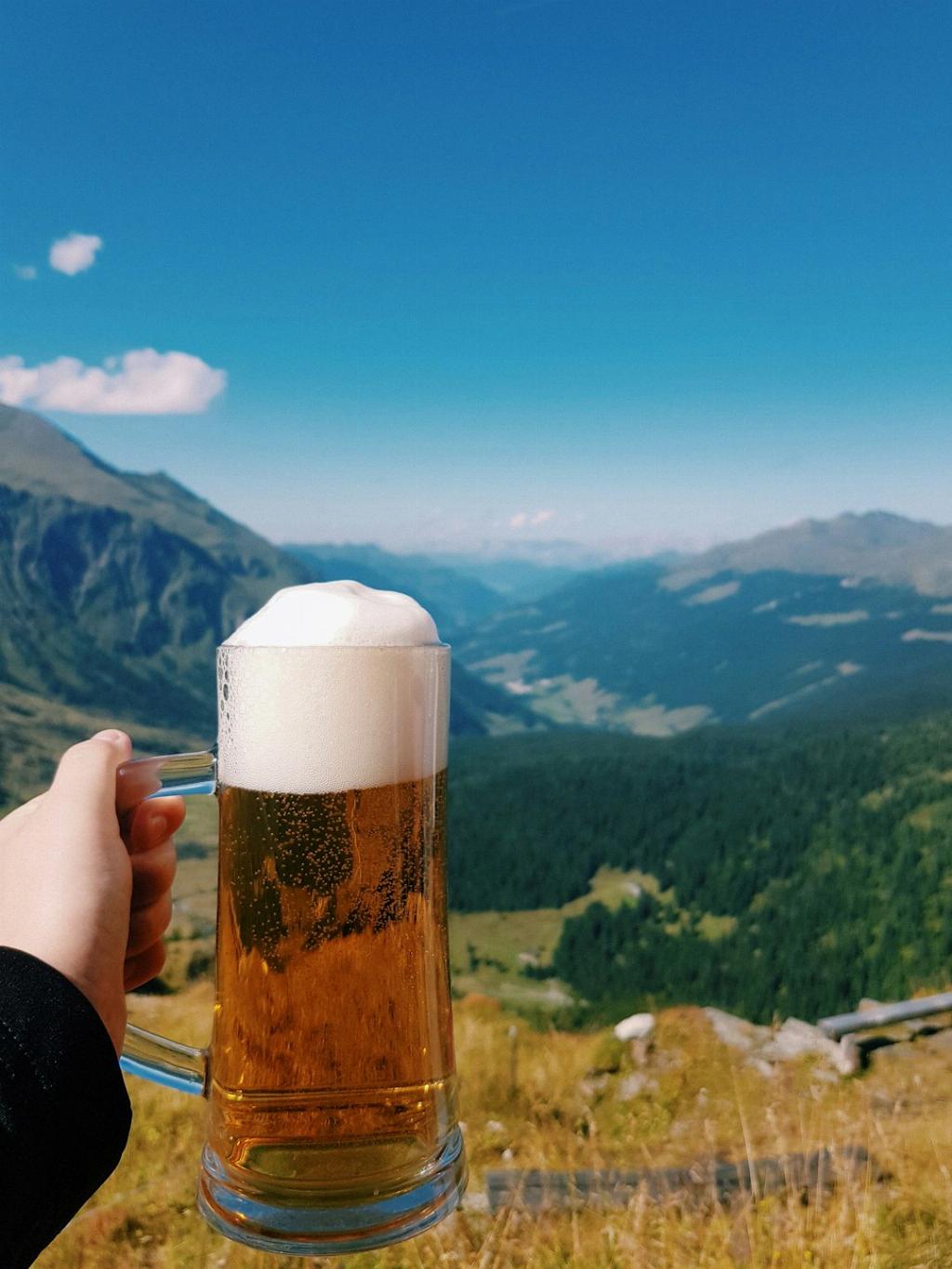
The Final Sip
Now that we have demystified the names of German beers, you can confidently navigate the world of German brewing. From the classic Weizenbier and Hefeweizen to the intriguing Dunkelweizen, German beer’s rich tapestry of flavors is sure to delight beer enthusiasts around the globe. So, raise your glass, cheers to German beer, and embark on a flavorful adventure like no other!
