
When it comes to the production of one of the most esteemed and beloved spirits in the world, Cognac, the grapes used play a vital role in the final product. To create this exquisite drink, various grape varieties are cultivated and harvested, each offering its own unique qualities and characteristics. Let’s explore the three most widely planted grape varieties used to make Cognac.
1. Ugni Blanc (Trebbiano)
The Ugni Blanc grape, also known as Trebbiano in Italy, is the most commonly planted grape variety in the Cognac region. Its popularity can be attributed to the high acidity and low alcohol content it imparts to the wine. These properties make it an ideal choice for distillation, as the resulting eau-de-vie retains the refined and delicate flavors that are characteristic of Cognac.
2. Folle Blanche
Another grape variety widely used in the production of Cognac is Folle Blanche. Known for its aromatic qualities, this grape contributes a distinct floral and fruity character to the wine. Historically, Folle Blanche was the dominant grape in Cognac production until the late 19th century when it was devastated by a widespread vine disease.
3. Colombard
Colombard, although less common than Ugni Blanc and Folle Blanche, is a grape variety that still holds significance in the production of Cognac. It is valued for its high acidity and ability to produce pleasant, fruity flavors. Colombard is often used in blends, adding a vibrant and refreshing element to the final Cognac.
Blending and the Importance of Terroir
In addition to these three primary grape varieties, Cognac production allows for blending with other grapes such as Montils, Jurançon Blanc, and Sémillon. This blending process contributes to the complexity and depth of flavors found in Cognac.
Furthermore, the concept of terroir, or the unique environmental factors that influence grape cultivation, is of utmost importance in the production of quality Cognac. The Cognac region’s chalky soil, oceanic climate, and optimal sun exposure all contribute to the development of grapes with exceptional flavor profiles.
The Role of Grape Growing and Harvesting
Grape growing and harvesting are meticulously managed processes in the Cognac region. Vineyard owners carefully tend to the vines throughout the year, ensuring optimal growing conditions for the grapes. When the grapes reach their peak maturity, they are hand-picked to ensure the utmost care and quality.
The Distillation Process
Once the grapes have been harvested, they are pressed, and the resulting juice undergoes fermentation, transforming it into a light, acidic wine. This wine will then go through the renowned double distillation process in copper stills, where it is transformed into eau-de-vie. This spirit will later be aged in oak barrels to develop the unique flavors and aromas that define Cognac.
The Significance of Grape Varieties in Cognac Quality
The choice of grape varieties greatly impacts the quality and character of the final Cognac. Ugni Blanc, Folle Blanche, and Colombard each contribute their own distinct attributes to the spirit. The delicate acidity of Ugni Blanc, the floral notes of Folle Blanche, and the fruity flavors of Colombard all blend harmoniously to create the complex and refined profiles that Cognac enthusiasts adore.
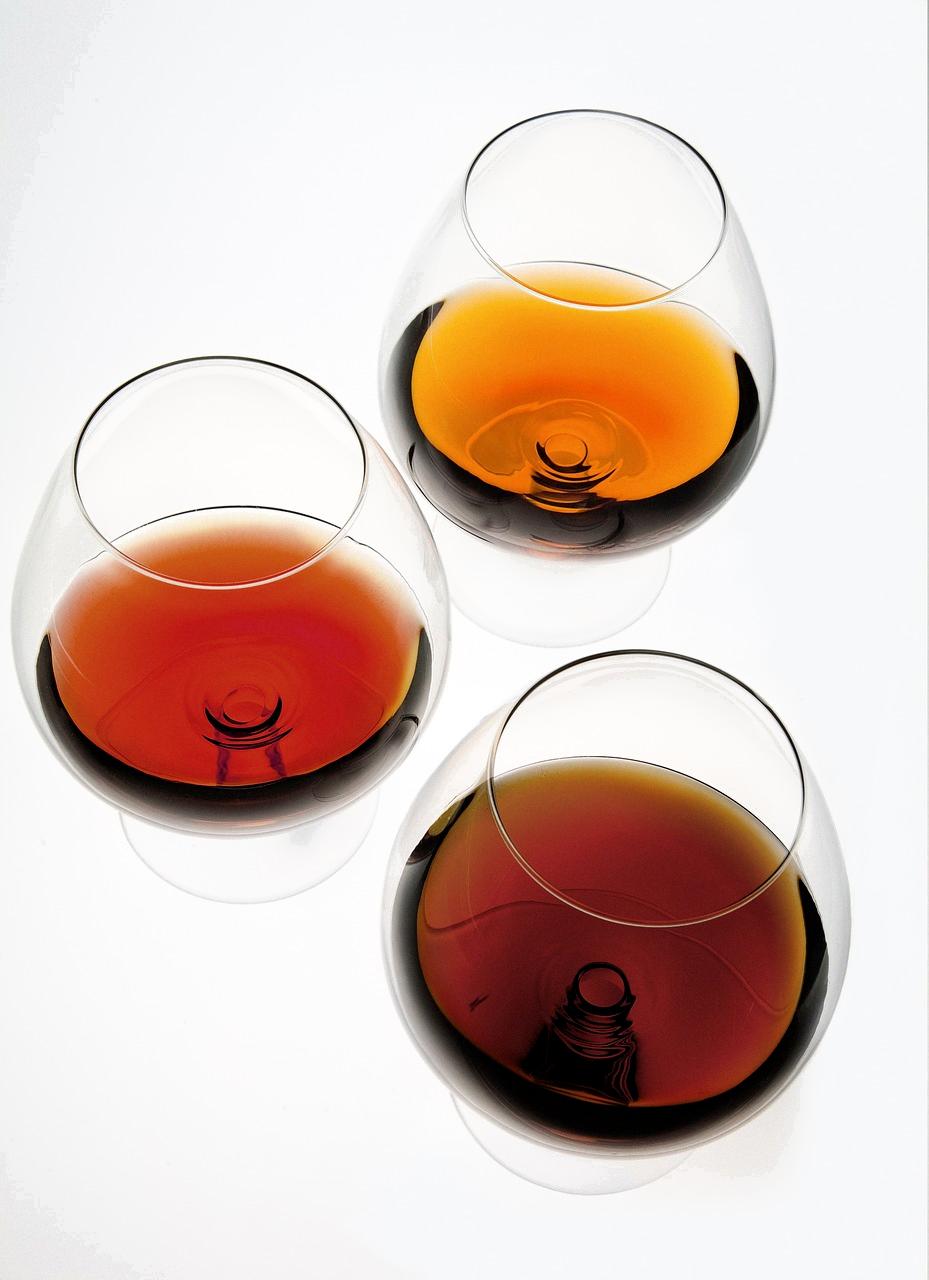
In Conclusion
Cognac, a globally cherished spirit, owes much of its excellence to the grape varieties that are widely planted in the region. Ugni Blanc, Folle Blanche, and Colombard each offer their own contribution to the unique flavor profiles found in Cognac. The blending of these grapes, along with the influence of terroir and meticulous attention to grape growing and harvesting, ensures the production of Cognac of exceptional quality and complexity.
