
When it comes to the color of whiskey, there’s a resounding consensus among whisky enthusiasts and experts alike: whiskey is undeniably brown. In fact, that rich amber hue is a defining characteristic of this beloved spirit, just as much as its aging process, mash bills, and the unmistakable taste it imparts. Let’s delve deeper into the mesmerizing tint that whiskey proudly flaunts, a hue that captures the essence of craftsmanship and time-honored traditions.
The Alchemy of Color: How Whiskey Obtains Its Rich Amber Shade
Whiskey’s alluring coloration is a result of several factors intricately intertwined. The aging process plays a significant role in the development of its captivating hue. As whiskey matures within oak barrels, it absorbs the compounds and flavors of the wood, imbuing the liquid with a spectrum of colors that range from pale gold to deep mahogany.
Moreover, the charred barrels in which whiskey ages also lend their influence to its color profile. The charring process releases charred wood sugars, which interact with the spirit and contribute additional color compounds, further enriching the whiskey’s appearance.
The Tapestry of Tints: Exploring the Shades of Whiskey
Whiskey’s color is not a monolithic entity; rather, it encompasses a wide range of captivating shades that cater to the discerning eyes of whiskey connoisseurs. Let’s unravel some of the most notable hues encountered throughout the whiskey spectrum:
1. Light Amber
At the younger end of the aging process, whiskeys often showcase a delicate, light amber shade. These youthful spirits possess a certain freshness and are often characterized by vibrant, fruity notes that complement their pale golden complexion.
2. Golden Mahogany
As whiskey matures, it evolves into a captivating golden mahogany tone. This shade signifies a more developed spirit that has spent a significant amount of time in oak barrels, absorbing the richness and complexity of the wood. The liquid exudes warmth and depth, enticing the senses with its luscious hues.
3. Deep Russet
For the well-aged whiskies, those that have spent years languishing within the confines of the charred oak barrels, a deep russet color emerges. A testament to time and patience, these spirits exude magnificence with their profound, almost reddish-brown complexion. They offer an array of intricate flavors and aromas, captivating even the most seasoned whiskey aficionado.
Appreciating the Artistry: The Role of Color in Whiskey Tasting
Color holds immense significance in the realm of whiskey tasting. It serves as an indicator of age, quality, and flavor complexity. Whiskey enthusiasts often assess the hue of the liquid, gauging its intensity and richness, before even taking their first sip. The range of colors observed can offer insights into the cask type, aging conditions, and potentially even the distillery where it was crafted.
Furthermore, the color of whiskey can influence our perception and anticipation of the taste experience that lies ahead. The deep, inviting shades of amber can evoke feelings of nostalgia and warmth, setting the stage for the intricate layers of flavors that await the palate.
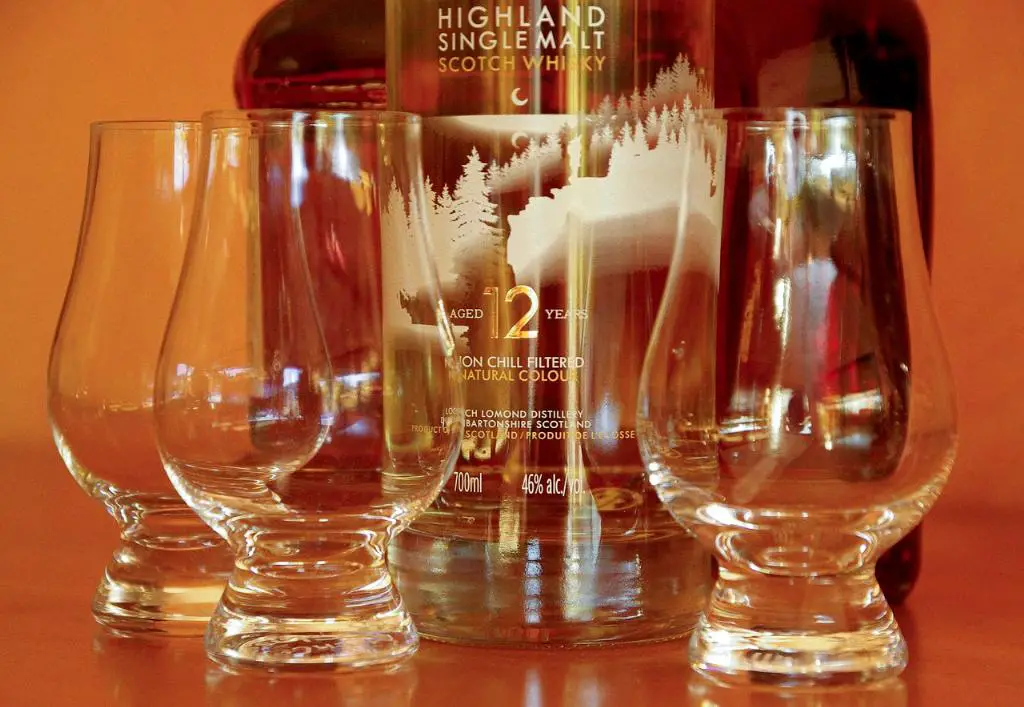
Conclusion: The Resplendence of Whiskey’s Amber Tones
In conclusion, the color of whiskey is undeniably brown, specifically varying shades of amber that range from light and golden to deep and russet. This captivating hue is the result of the aging process and the interaction between whiskey and oak barrels. Whiskey lovers value and appreciate the diverse spectrum of colors displayed by their beloved libation, as it provides hints of the spirit’s character, age, and intricacy. So, the next time you pour a glass of whiskey, take a moment to admire the resplendence of its amber tones, and let them guide you to a world of flavors and memories.
