
When it comes to bourbon, there are specific specifications that define this beloved whiskey and set it apart from other spirits. Whether you’re a bourbon enthusiast or just curious about what makes this amber liquid so special, understanding its specifications can enhance your appreciation for this timeless American classic. So, let’s delve into the details and explore the characteristics that define bourbon.
The Grain Mixture:
The first and most crucial specification of bourbon lies in its grain mixture. By law, bourbon must be made from a grain mixture consisting of at least 51% corn. This high percentage of corn contributes to bourbon’s characteristic sweet and rich flavor profile. While the remainder of the grain mixture usually includes malted barley, it may also include other grains such as rye or wheat, adding complexity and nuance to the final product.
Maturation in Oak:
Another key specification for bourbon is its aging process. To be called bourbon, the whiskey must be aged in new, charred oak containers. This requirement imparts unique flavors and smoothness to the spirit, as the charred oak interacts with the liquid over time. The oak barrels also contribute to the deep amber color that is synonymous with bourbon.
Proof and Alcohol Content:
Proof is a measure of a distilled spirit’s alcohol content, and bourbon has specific limitations in this regard. Bourbon must be distilled to no more than 160 (U.S.) proof, which is equivalent to 80% alcohol by volume (ABV). Additionally, before being aged, bourbon must be entered into the container at no more than 125 proof (62.5% ABV). These proof restrictions ensure that bourbon maintains its character and prevents excessive alcohol levels that could overpower its flavors.
American-Made Whiskey:
One fundamental characteristic of bourbon is its origin. To be recognized as bourbon, the whiskey must be produced in the United States. This specification celebrates bourbon as an authentic American spirit and highlights its deep-rooted history and cultural significance within the country.
No Additives or Coloring:
Bourbon aficionados appreciate the purity of this spirit, as it must be free from any additives or coloring. This specification ensures that bourbon is a true reflection of its ingredients and the aging process, allowing the flavors to shine without any artificial enhancements.
Straight Bourbon:
If you come across the term “straight bourbon,” it means the whiskey has been aged for at least two years and hasn’t been diluted or altered with any other spirits or substances. Straight bourbon showcases the craftsmanship and patience involved in creating this aged spirit.
Geographical Designations:
When it comes to bourbon, certain regions within the United States hold prestige for their bourbon production. For example, Kentucky is renowned for its bourbon heritage, and although bourbon can be produced anywhere in the country, an association with Kentucky adds value and authenticity to the product.
Water Source:
The quality and character of the water used in the production of bourbon are also significant. The specific water source can influence the overall flavor profile of the whiskey, as it is a key component of the distillation process.
Charcoal Filtration:
Some bourbon distilleries incorporate a charcoal filtration process, often referred to as the “Lincoln County Process.” This involves filtering the whiskey through charcoal before aging, which can impart additional smoothness and remove impurities. While not a mandatory specification, this technique is commonly used in the production of Tennessee whiskey, a style closely related to bourbon.
Labeling and Age Statements:
Bourbon labeling regulations require that if an age statement is present, it must indicate the age of the youngest whiskey in the bottle. The aging process significantly impacts the flavor profile, and age statements give consumers an insight into the maturity and complexity of the bourbon they are purchasing.
Traditional and Craftsmanship:
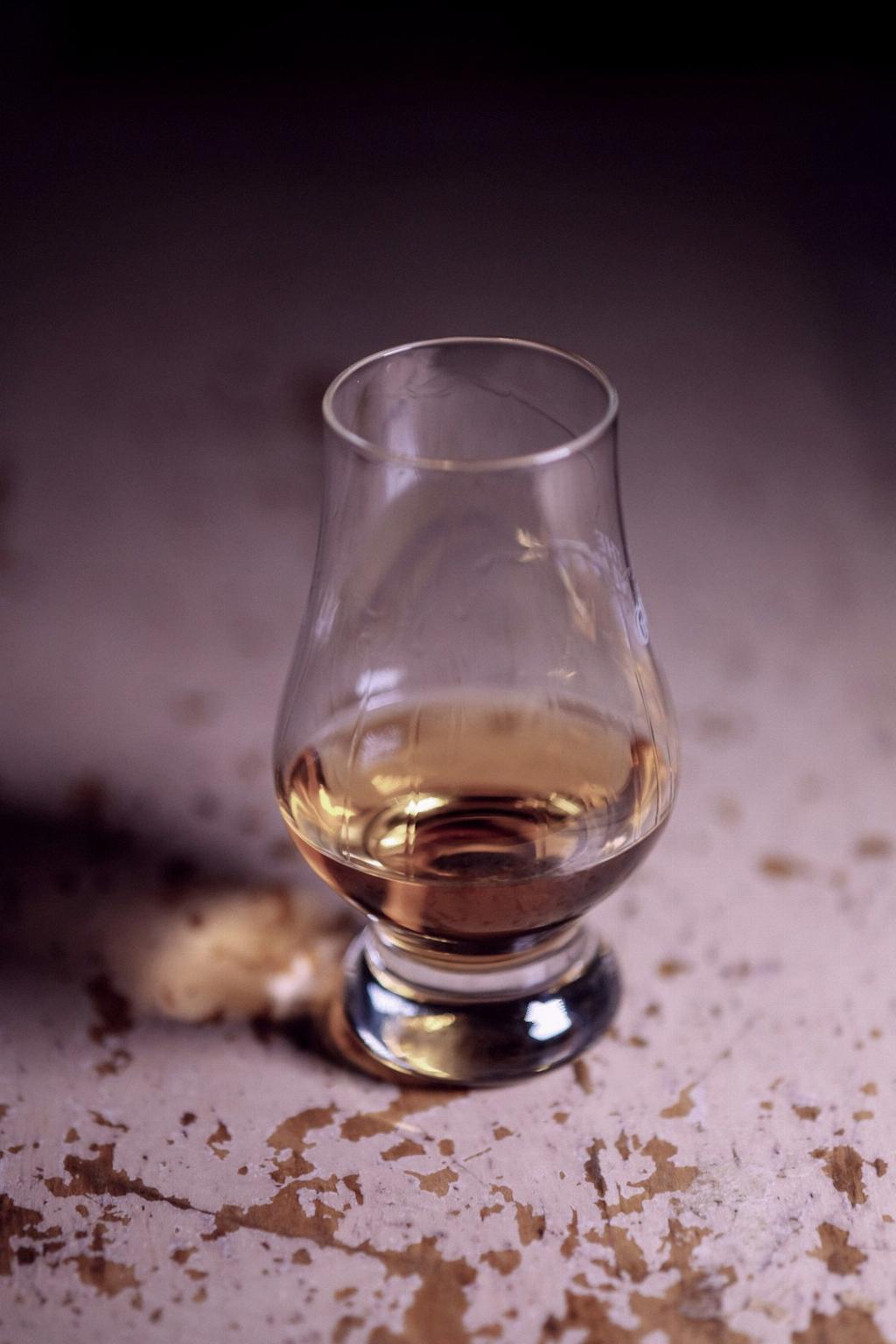
Lastly, bourbon carries a sense of tradition and craftsmanship. The distillation process, aging in oak barrels, and adherence to specific specifications all contribute to the unique and cherished qualities found in each bottle of bourbon. This legacy and dedication to craftsmanship have made bourbon a symbol of American pride and tradition.
In conclusion, understanding the specifications that define bourbon allows us to fully appreciate the craftsmanship and rich flavors of this esteemed American whiskey. From the grain mixture to the aging process and labeling regulations, each specification contributes to the distinctive and enjoyable experience that is bourbon.
