
When it comes to vodka, there are certain rules and traditions that have been followed for centuries. From its alcohol content to the way it is consumed, vodka has a rich history and set of guidelines that make it truly unique. In this article, we’ll delve into the rules for vodka, exploring its traditional drinking methods and the standards it must meet.
1. Alcohol Content: The Essential Requirement
One of the primary rules for vodka is its alcohol content. In the United States, vodka is legally required to have a minimum alcohol content of 40%. This ensures that each bottle delivers the distinctive kick that vodka enthusiasts crave.
2. Neat or on the Rocks? Exploring Traditional Consumption
Another rule when it comes to vodka is how it’s traditionally consumed. While many spirits are enjoyed with mixers, vodka is often drunk “neat” – without any additions. This allows the unique flavors and characteristics of the vodka to shine through without any interference.
3. The Chill Factor: Freezer Cold Vodka
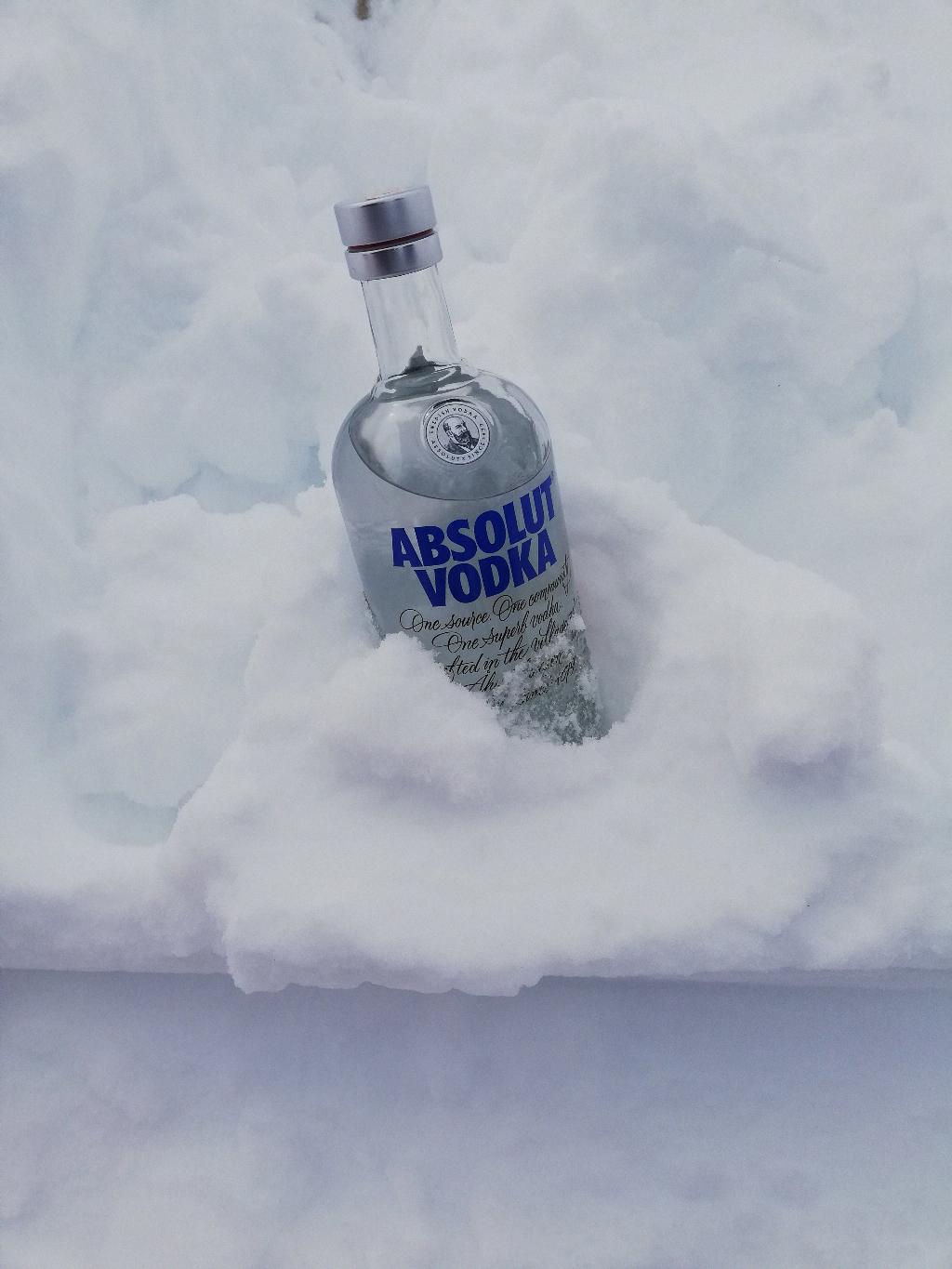
In the vodka belt countries, including Belarus, Estonia, Finland, Iceland, Latvia, Lithuania, Norway, Poland, Russia, Sweden, and Ukraine, there is a longstanding tradition of serving vodka freezer chilled.
4. Quality and Purity: Distillation and Filtration
Another important aspect of vodka is the quality and purity of the spirit. To meet the standards, vodka must undergo multiple distillations to remove impurities, resulting in a smooth and clean taste. Additionally, advanced filtration methods, such as charcoal filtration, are employed to achieve the desired clarity.
5. Raw Ingredients Matter: What Makes a Good Vodka
While the rules for vodka do not specify the exact raw ingredients, a good vodka is typically made from high-quality grains or potatoes. These ingredients provide the necessary starches that are converted into fermentable sugars, which later produce the alcohol through the distillation process.
6. Geographic Indications: Protected Designation of Origin
In some countries, vodka production has specific regional requirements. For example, in Poland and Russia, there are protected designations of origin (PDO) that dictate the geographical boundaries within which vodka can be produced. This ensures the authenticity and quality of the spirit.
7. Labeling and Packaging: Meeting Regulatory Standards
Vodka follows specific labeling and packaging guidelines regulated by each country’s legal authorities. These guidelines typically include accurate alcohol content, brand information, and warnings for responsible consumption. Compliance with these rules ensures transparency and consumer safety.
8. Varieties and Flavors: Expanding the Vodka Landscape
While traditional vodka is known for its neutral taste, the rules for vodka have evolved to include various flavored varieties. These flavors range from citrus and berry to more exotic options like caramel or chili-infusion. However, it’s important for flavored vodkas to maintain the base spirit’s integrity.
9. Mixing It Up: Vodka in Cocktails
Although vodka is often enjoyed neat, it doesn’t mean it can’t be part of delicious cocktails. Many classic drinks, such as the Moscow Mule or Vodka Martini, incorporate vodka as a key ingredient. It adds a smooth and crisp element that enhances the flavor profile of the cocktail.
10. Vodka Tasting: Appreciating the Nuances
Just as with wine or whiskey, vodka tasting has gained popularity. The rules for vodka tasting involve evaluating its clarity, aroma, mouthfeel, and finish. Assessing these aspects allows enthusiasts to appreciate the subtle variations and complexities of different vodka brands.
11. Responsible Consumption: Drink with Care
Lastly, it’s crucial to remember the rule for responsible consumption. While vodka is enjoyed by many, it’s important to drink in moderation and be aware of personal limits. Enjoying vodka in social settings or special occasions can enhance the experience without compromising personal safety.
12. Conclusion: Preserving Tradition and Embracing Evolution
In conclusion, vodka follows a set of rules that ensures its distinctive characteristics and quality. From its alcohol content to traditional consumption methods, vodka has a rich history rooted in tradition. However, vodka has also evolved to include flavored varieties and can be enjoyed in a range of cocktails. By appreciating the rules for vodka, we can both preserve its traditional roots and embrace its versatility in the modern world.
