
When it comes to enjoying a glass of bourbon, there are certain requirements that must be met to ensure authenticity and quality. Let’s dive into the five key elements that define bourbon and set it apart from other spirits.
The Mash Bill
The first requirement is the use of a specific mash bill, which refers to the combination of grains used in the bourbon production process. The must comprise at least 51% corn, giving bourbon its characteristic sweetness. The remaining portion typically includes a mixture of barley, rye, and wheat, each contributing unique flavors and characteristics to the final product.
Distillation Process
Bourbon must undergo a distillation process that involves distilling the fermented mash at no more than 160 proof (80% alcohol by volume). This ensures that the spirit retains its distinctive flavors and aromas, while also imparting a smoothness that is cherished by bourbon enthusiasts around the world.
Barrel Aging
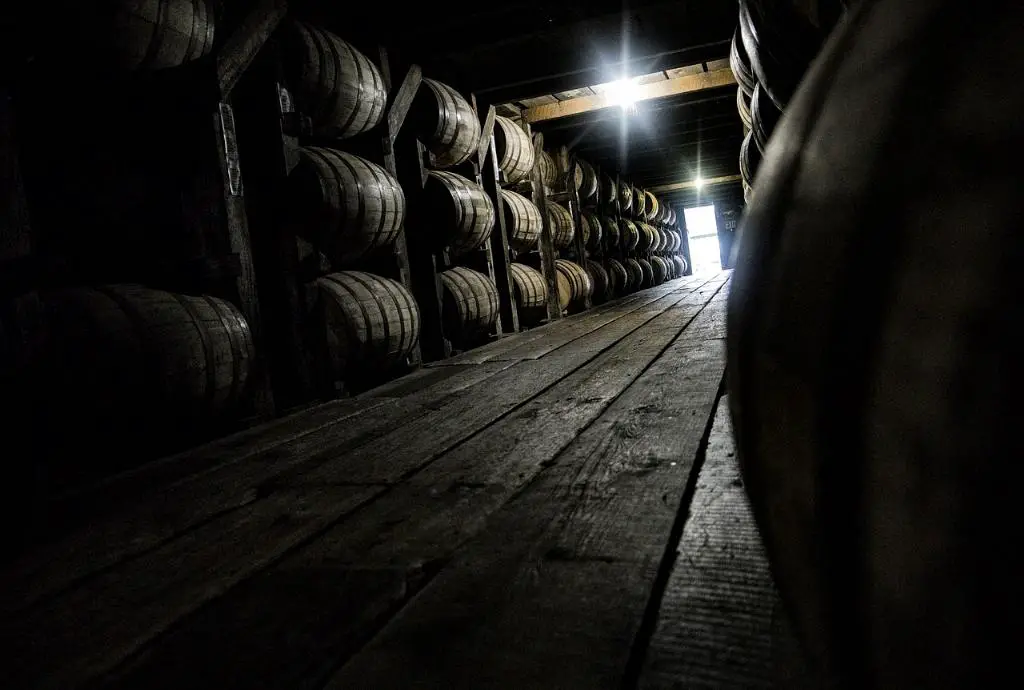
Another crucial requirement for bourbon is the aging process. By law, bourbon must be aged in new, charred oak barrels. This aging process allows the spirit to develop complex flavors and undergo significant changes, as it interacts with the wood and draws out desirable compounds. The minimum aging period for bourbon is two years, although many premium bourbons are aged for much longer, resulting in richer and more nuanced profiles.
Proofing
Bourbon must also be entered into the barrel for aging at no more than 125 proof (62.5% alcohol by volume). This requirement ensures that the spirit has an appropriate level of alcohol and is not diluted excessively before maturing. Once the aging process is complete, bourbon may be diluted with water to achieve the desired proof for bottling, but it must not fall below 80 proof (40% alcohol by volume).
Geographical Origin
Contrary to popular belief, bourbon does not need to be produced exclusively in Kentucky. While Kentucky has a rich history and tradition of producing bourbon, this iconic spirit can be made anywhere in the United States. As long as the other four requirements are met, bourbon can proudly bear its name, regardless of its geographical origin.
In Conclusion
Bourbon, a beloved American spirit, has five essential requirements that differentiate it from other types of whiskey. From the mash bill to the distillation process, barrel aging, proofing, and the flexibility of its geographical origin, each element contributes to the unique character and allure of bourbon. So next time you pour yourself a glass of this amber elixir, take a moment to appreciate the craftsmanship and attention to detail that goes into creating this exceptional spirit.
