
When it comes to wine, the colors that dance in your glass are not just mere aesthetics. They hold profound meaning and offer insights into the wine’s character, age, and even grape variety. As you embark on your journey through the fascinating world of wine, it is essential to understand the five primary colors that grace our glasses: red, white, pink, yellow, and orange.
The Seductive Charm of Red Wine
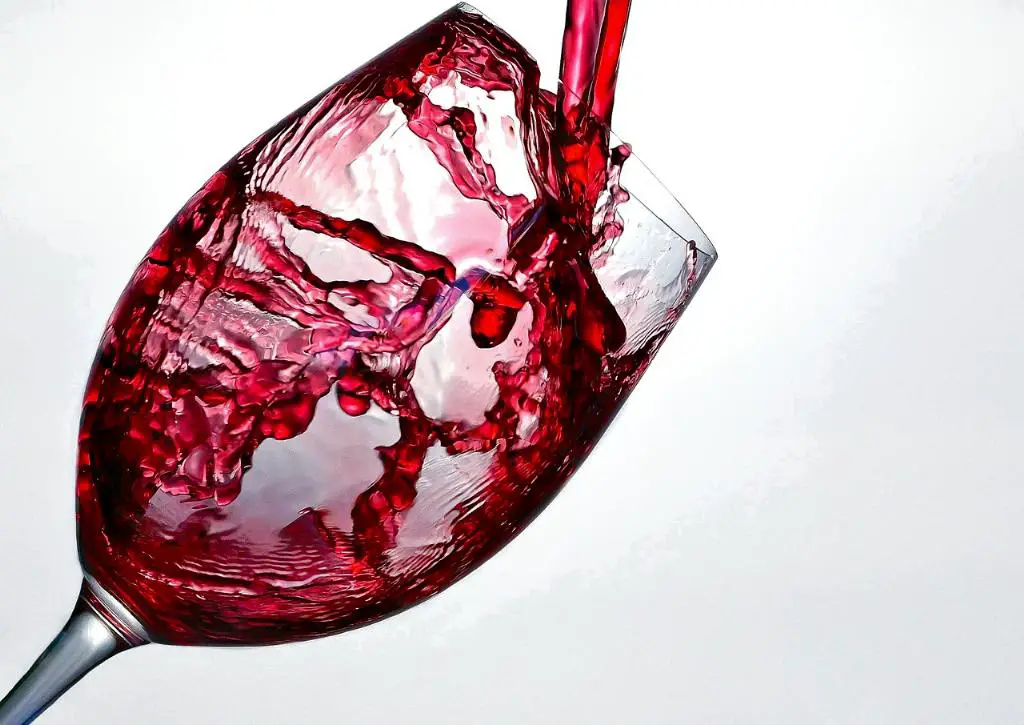
Let’s start with the most iconic of them all – red wine. From the deep ruby reds of a young Cabernet Sauvignon to the brick-like hues of an aged Pinot Noir, red wines are synonymous with elegance and complexity. These wines owe their captivating color to the pigments found in grape skins called anthocyanins. The longer the grape skins remain in contact with the juice during fermentation, the richer and more intense the red color becomes.
Unveiling the Timeless Elegance of White Wine
Transitioning now to the enchanting world of white wine, these beauties exude a different kind of allure. Ranging from pale straw yellows to golden hues, white wines are typically made from “white” grape varieties such as Chardonnay or Sauvignon Blanc. Unlike red wines, white wines are crafted without skin contact, thus allowing the focus to be on the grape’s juice. The shade of white wine can hint at its freshness, age, and even the winemaking techniques employed.
The Rosy Dream of Rosé Wine
Rosé wines, with their delicate and enchanting hues of pink, have been gaining popularity in recent years. These wines strike the perfect balance between the intensity of red wines and the delicacy of white wines. Rosé can range from a pale blush pink to vibrant salmon shades. One winemaking method involves limited skin contact during fermentation, resulting in a softer color and lighter body. Another approach is blending red and white wines to achieve desired complexity and color.
The Sun-Kissed Glow of Yellow Wine
Venturing into lesser-known territory, we find the captivating world of yellow wine. This category encompasses a wide range of wines, from vibrant gold to deep amber. It is often associated with dessert wines or wines made from grapes affected by noble rot, such as Sauternes. These wines mesmerize with their honeyed aromas and luscious flavors, tempting your taste buds with every sip.
Embracing the Exotic Allure of Orange Wine
Last but certainly not least, we have orange wine, a true hidden gem. With its intriguing shades ranging from pale apricot to tawny amber, orange wines are crafted by macerating white grape skins during fermentation. This process gives rise to a wine that offers a distinct mouthfeel and a captivating combination of flavors, often described as earthly, nutty, and even reminiscent of dried fruits. Orange wine allows for a truly unique tasting experience.
In Conclusion
Wine’s vibrant array of colors is a testament to the incredible diversity and artistry of winemaking. Each hue holds a story, reflecting the grape variety, winemaking techniques, and age. From the seductive reds to the timeless whites, the rosy dreams of rosé, the sun-kissed yellows, and the exotic allure of orange, the world of wine never fails to captivate our senses. So, pour yourself a glass of your favorite color and let it transport you to a realm of flavors, aromas, and memories.
