
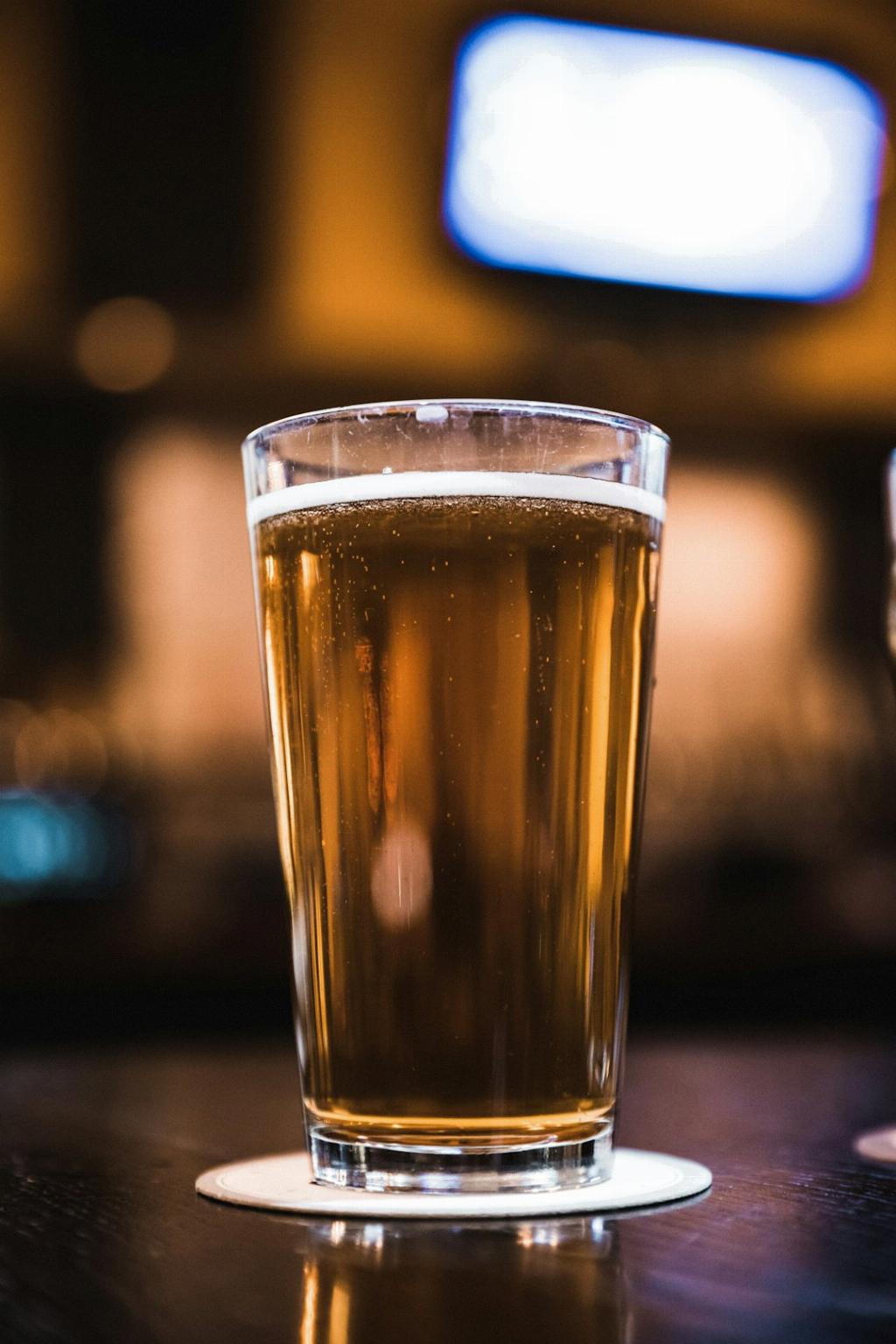
Ale, my dear reader, is not simply a beverage. It is a delightful concoction that has been enjoyed by humanity for centuries. So, what exactly does ale mean? Allow me to illuminate your mind on this subject.
The Definition of Ale
According to linguistic experts, ale is a noun that refers to an alcoholic drink. It is crafted from malt and flavored with hops, resulting in a beverage that is typically more bitter than beer. The origins of this term can be traced back to Old English, where it was known as “alu” or “ealu,” and it has since evolved and spread throughout various cultures.
The Rich History of Ale
If we delve into the history of ale, we discover a tapestry woven with tradition and innovation. This libation has been enjoyed throughout ancient civilizations, from the early Sumerians and Egyptians to the Vikings and medieval Europeans. It has stood the test of time, evolving alongside human ingenuity and culinary advancements.
A Toast to the Brewing Process
The brewing process of ale is a true art form. It begins with malted grains, such as barley, which are crushed and combined with water. This infusion is then heated to convert starches into sugars, creating a sweet liquid called wort. Hops are added to provide bitterness, balance, and aromatics. Finally, yeast is introduced to ferment the wort, converting sugars into alcohol and carbon dioxide.
Different Types of Ale
Ale comes in various forms, each offering a unique flavor profile and brewing tradition. Let us explore some of the most notable types:
1. Pale Ale:
This is a light-colored ale, known for its refreshing and hop-forward taste. It has a crisp finish and is often enjoyed on warm summer days.
2. India Pale Ale (IPA):
IPAs are known for their strong hop bitterness and higher alcohol content. Originally brewed for long voyages, these beers gained popularity during the British colonial era.
3. Stout:
A rich and dark ale, stout is characterized by its roasted malt flavors, creamy texture, and hints of coffee or chocolate. It is a hearty choice for those seeking a full-bodied experience.
The Ale Drinking Experience
When it comes to enjoying ale, there are no rules set in stone. Whether you prefer to savor it straight from the bottle, pour it into a frosty mug, or sample it from a flight at a craft brewery, the choice is yours. However, it is worth noting that certain ales are best enjoyed at specific temperatures to enhance their flavors and aromas.
Ale and Food Pairings
Pairing ale with delicious cuisine is a practice that has been embraced by food enthusiasts around the world. The diverse range of flavors in ale makes it a versatile companion for various dishes. For example:
– Pale ales complement seafood and light salads.
– IPAs enhance the flavors of spicy foods, burgers, and strong cheeses.
– Stouts harmonize perfectly with hearty stews, grilled meats, and decadent desserts.
The Ale Culture and Community
Ale has transcended its mere existence as a beverage and has become a cornerstone of culture and community. Breweries and pubs have become gathering places for friends, families, and beer enthusiasts to come together, share stories, and revel in the joys of life.
Conclusion
In conclusion, my dear reader, ale is so much more than just a word. It represents centuries of brewing traditions, the art of craftsmanship, and an experience that brings people together. So, next time you raise a glass of ale, do so with an appreciation for its history, diverse flavors, and the camaraderie it fosters.
