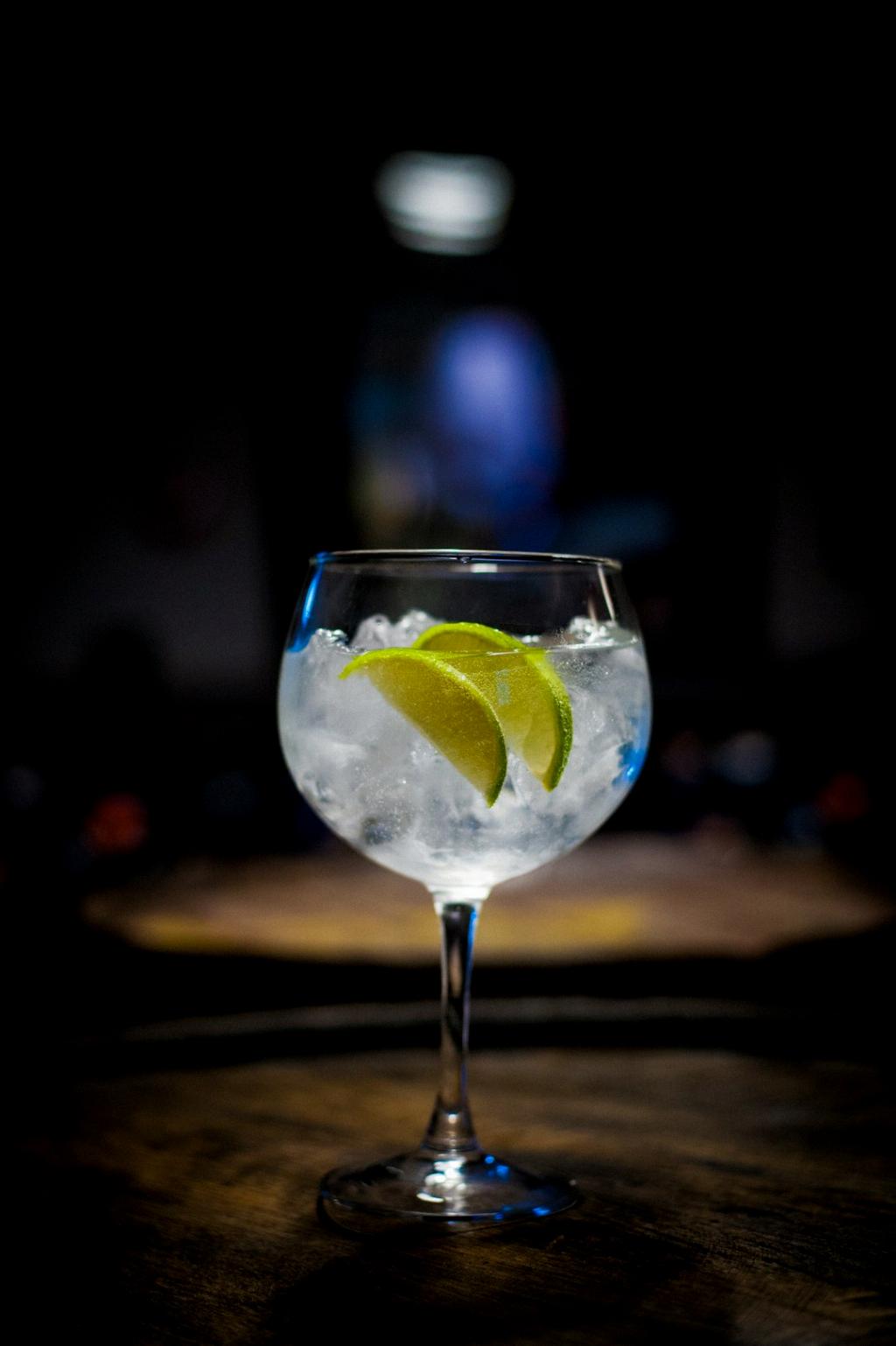
When it comes to spirits, there is a wide array of options available, each with its own distinctive characteristics and flavors. Among these, gin stands out as a unique and captivating choice. If you are wondering what alcohol gin is most like, allow me to shed some light on the matter.
1. Vodka: One could say that gin is most similar to vodka in terms of its base spirit. Both are distilled neutral spirits, but what sets gin apart is its infusion of botanicals. These botanicals give gin its distinct flavor profile, setting it apart from vodka’s subtler taste.
2. Herbal Liqueurs: Another type of alcohol that shares some commonalities with gin is herbal liqueurs. These liqueurs often feature a blend of various botanicals, herbs, and spices, offering both complex flavors and a hint of sweetness. While gin is not as sweet as liqueurs, it shares a similar depth of flavor and an herbal quality.
3. Juniper-Forward Flavored Vodkas: If you enjoy the prominent taste of juniper berries found in gin, you may find satisfaction in exploring juniper-forward flavored vodkas. These vodkas are infused with juniper berries to emulate the distinctive flavor profile of gin, albeit without the complex botanical blend.
4. Aquavit: For those seeking a more unique alternative, aquavit is worth considering. Hailing from Scandinavia, aquavit is a spirit infused with a variety of herbs and spices, including caraway, dill, and anise. While its flavor profile is different from gin, it shares gin’s affinity for herbal and botanical notes.
5. Genever: If you want to dive deeper into the world of gin-related spirits, genever is a fascinating choice. Originating in the Netherlands, genever can be thought of as the grandfather of gin. It is maltier and richer, with a flavor profile that includes botanicals, grains, and hints of malt whiskey.
6. Herbal Infused Vodkas: If you prefer a broader range of botanicals in your spirits but not the dominant juniper flavor of gin, exploring herbal-infused vodkas can be an exciting endeavor. These vodkas feature a medley of herbs and spices that provide a unique and flavorful experience, reminiscent of the botanical complexity found in gin.
7. Kummel: A lesser-known spirit, kummel is a traditional liqueur made with caraway seeds, cumin, and fennel. While its primary flavors differ from gin, its herbal and spicy notes resonate with the botanical qualities that gin aficionados appreciate.
8. Absinthe: If you enjoy the complex, herbaceous notes found in gin, absinthe might pique your interest. This renowned spirit is known for its anise flavor and distinct botanical profile. While it may not closely resemble gin in terms of overall taste, absinthe shares a common thread of botanical intrigue.
9. Bitters: While not a standalone spirit, bitters deserve a mention due to their ability to enhance cocktails, including gin-based ones. Bitters are concentrated infusions of botanicals, herbs, and spices, often used in small dashes to add complexity and depth of flavor. Just like gin, bitters bring a unique touch to mixology.
10. Amaro: If you are drawn to the herbal, bitter sweetness of gin, exploring the world of amaro could be a delightful adventure. Amari are Italian herbal liqueurs famous for their complex and bitter profiles, often infused with a blend of botanicals, roots, and citrus peels.
11. Pastis: Another interesting option to consider is pastis, a traditional French spirit known for its anise flavor and licorice undertones. While pastis might not mirror the exact taste of gin, its herbal and anise characteristics make for a compelling comparison.
12. Chartreuse: Lastly, chartreuse, a longstanding herbal liqueur produced by French monks, is worth mentioning. Its vibrant green hue and herbal complexity bear some resemblance to the botanical depth found in gin, making it an intriguing choice for experimentation.
In conclusion, while gin is indeed a distinctive spirit with a flavor profile all its own, there are several other spirits that share some similarities. Whether it is the botanical infusion, the herbal qualities, or the overall complexity, alternatives such as vodka, herbal liqueurs, juniper-forward flavored vodkas, aquavit, genever, herbal-infused vodkas, kummel, absinthe, bitters, amaro, pastis, and chartreuse offer intriguing experiences that may resonate with gin enthusiasts.