
When it comes to categorizing alcoholic beverages, the term “hard liquor” is often associated with high-proof spirits such as vodka, whiskey, and rum. But what about vermouth? Is it considered a hard liquor or does it fall into a different category altogether? Let’s dive in and explore the characteristics of vermouth to determine where it stands in the world of alcoholic beverages.
The Definition of Hard Liquor
Before we delve into the specifics of vermouth, it’s crucial to understand what constitutes hard liquor. Hard liquor, also known as spirits or distilled spirits, is typically distilled from fermented grains, fruits, or vegetables. The distillation process results in a higher alcohol content, ranging from 40% to 60% alcohol by volume (ABV) or even higher in some cases.
Understanding Vermouth
Vermouth is a unique and versatile beverage that is often used as a key ingredient in classic cocktails such as the Martini and the Negroni. It is made by fortifying a base wine with additional alcohol, commonly grape brandy. Vermouth also undergoes an infusion process where a variety of botanicals, such as herbs, spices, and fruits, are added to enhance its flavor.
The Alcohol Content of Vermouth
Unlike hard liquors, vermouth has a relatively low alcohol content. It typically ranges from 15% to 18% ABV, making it considerably milder compared to spirits like vodka or whiskey. This lower alcohol content allows vermouth to be enjoyed on its own or mixed with other ingredients in cocktails.
The Role of Vermouth in Cocktails
Vermouth plays a vital role in the world of mixology, adding depth and complexity to a wide array of cocktails. Its herbal and botanical qualities provide a balance to the sharper flavors of other spirits, while also contributing unique aromas and tastes. From classic recipes like the Manhattan to modern creations, vermouth is a staple ingredient in many beloved cocktail recipes.
How to Enjoy Vermouth
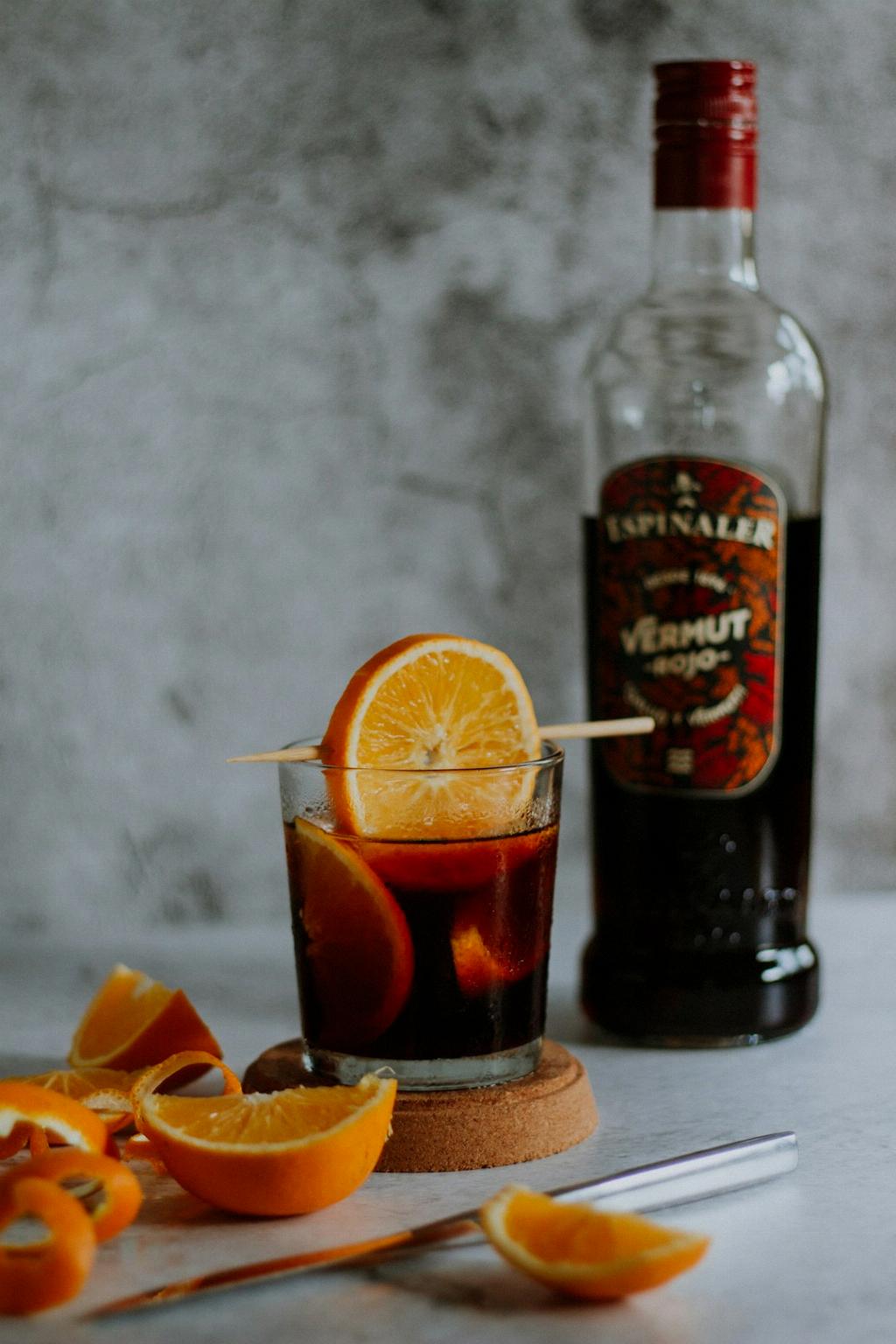
While sipping vermouth neat or on the rocks can be a delightful experience for those who appreciate its intricate flavors, it is most commonly enjoyed as an essential component in various cocktails. Whether you prefer a dry or sweet vermouth, mixing it with other spirits and ingredients opens up a world of possibilities.
Conclusion: Vermouth and the Hard Liquor Category
Considering vermouth’s lower alcohol content, it does not fall into the category of hard liquor. Instead, vermouth is often classified as an aromatized wine due to its base wine and botanical infusion process. Its unique characteristics and usage in cocktails make it a distinct and valuable addition to any home bar or mixologist’s repertoire.
So, the next time you find yourself wondering whether vermouth qualifies as hard liquor, remember that it belongs in a different category altogether. Enjoy the versatility of vermouth as you experiment with classic and contemporary cocktail creations, savoring the delightful flavors it brings to your glass.
