
Let’s clear up the confusion surrounding lagers and their color. There seems to be a common misconception that ALL lagers are light in color and have a limited flavor profile. However, that is definitely not the case. It’s essential to understand that the yeast used in brewing has no direct impact on the color of beer. Both ales and lagers can come in various shades, from light to dark.
The Role of Malting and Toasting
When it comes to the color of beer, it all boils down to the different levels of malting or toasting on the grains used during the brewing process. This step gives the beer its distinct color and adds depth to its flavor profile. While some lagers can certainly be light and refreshing, others can be rich and dark – just like their ale counterparts.
Light Lagers: Crisp and Refreshing
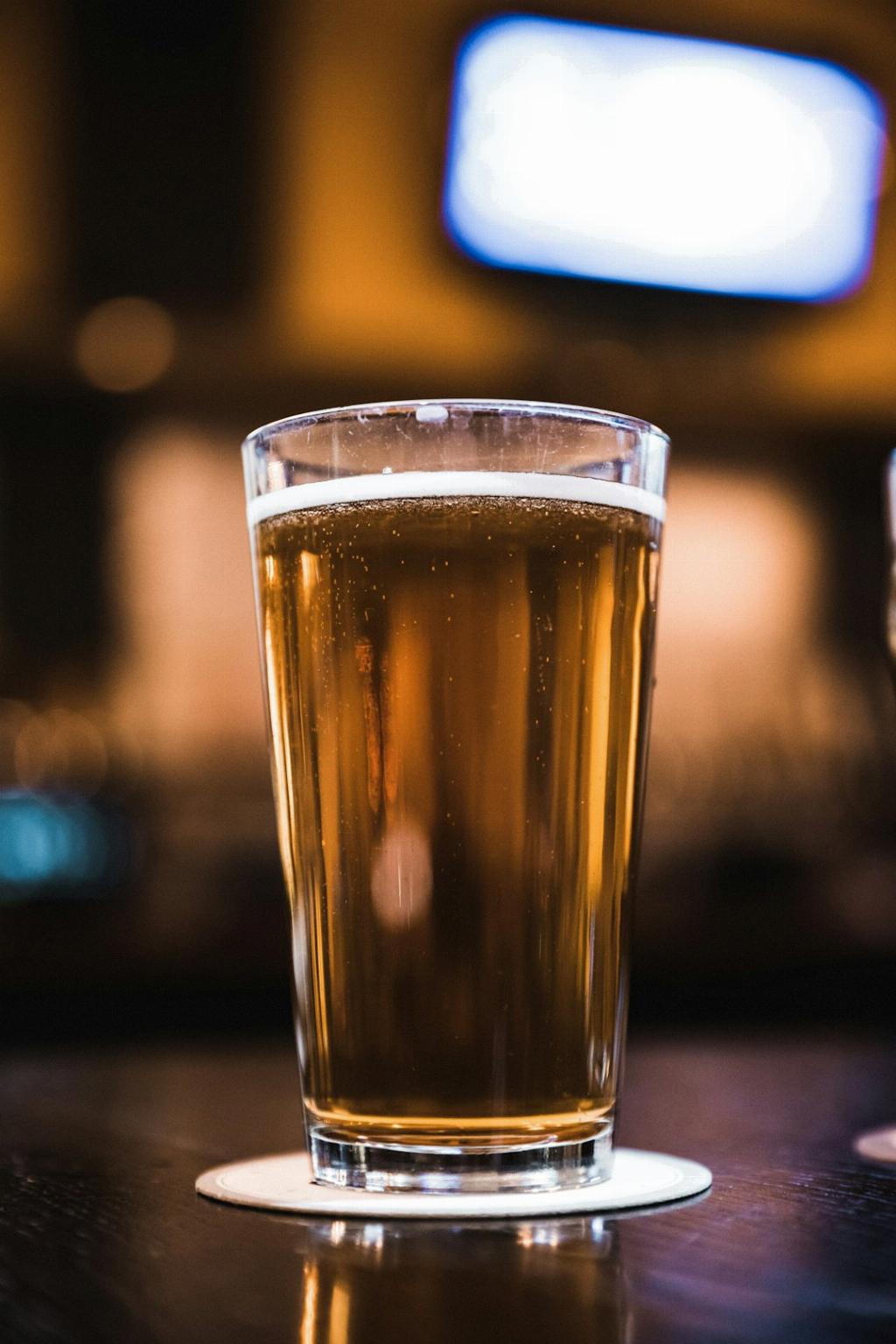
Now, let’s talk about the lighter spectrum of lagers. These beers, often referred to as light lagers, are known for their crisp and refreshing qualities. They are generally pale golden or straw-yellow in color, contributing to their visual appeal. Light lagers are perfect for those who enjoy a lighter-bodied beer with a subtle flavor profile, making them a popular choice for casual social gatherings or outdoor events.
Dark Lagers: A Rich and Flavorful Experience
On the other end of the spectrum, we have dark lagers. These beers are characterized by their deeper, often amber, brown, or even black hues. Dark lagers pack a punch in terms of flavor, offering a robust and malty taste that can be described as both toasty and slightly sweet. They are a great choice for those who prefer a more complex and full-bodied beer experience.
The Versatility of Lager
Lagers, regardless of their color, showcase an incredible versatility. They can be brewed to suit a wide range of preferences, from light and easy-drinking to dark and robust. This versatility is one of the reasons why lagers are beloved by beer drinkers all over the world.
Different Varieties of Lagers
Beyond the broad distinction between light and dark lagers, there are also specific beer styles that fall under the lager umbrella. Examples include pilsners, helles, bocks, and dunkels. These styles vary in color, flavor, and intensity, providing enthusiasts with a diverse selection to explore.
Food Pairings with Lagers
When it comes to pairing lagers with food, the possibilities are endless. Light lagers tend to complement lighter fare such as salads, seafood, and grilled chicken. On the other hand, dark lagers pair beautifully with heartier dishes like roasts, stews, and chocolate desserts. The key is to consider the flavor profile of the beer and find foods that either complement or contrast with it.
Enjoying the Lager Experience
Whether you prefer a light and refreshing lager or a darker, more robust brew, exploring the world of lagers can be an exciting journey. Take the time to try different styles and brands, and discover the ones that truly resonate with your taste buds.
Conclusion
So, to answer the question of whether lager is a light or dark beer – lagers can be both! The color of a lager is not determined by the yeast but rather by the level of malting or toasting on the grains. Light lagers offer a crisp and refreshing experience, while dark lagers provide a richer and more flavorful journey. Embrace the diversity of lagers and find the ones that suit your preferences. Cheers to the wonderful world of beer!
