
When it comes to the world of spirits, vodka has always been a popular choice for many cocktail enthusiasts. However, with the rise in popularity of flavored vodka, a question that often arises is whether or not flavored vodka can truly be considered vodka. Let’s delve into this topic and explore the nuances of this delightful and versatile drink.
The Roots of Flavored Vodka
Flavored vodka emerged from the creative minds of bartenders looking to enhance the taste of this classic spirit. In the early days, bartenders began infusing vodka with various fruits, herbs, and spices to expand the flavor profile and offer unique options to their patrons. This experimentation led to the birth of flavored vodka as we know it today.
A Kaleidoscope of Flavors
One of the most significant advantages of flavored vodka is the sheer array of flavors available. From traditional fruit flavors like raspberry and lemon to more unconventional options such as bacon or cucumber, there is a flavored vodka to suit almost every taste preference. This diversity allows mixologists and home bartenders to create tantalizing cocktails that go beyond the classic vodka-based drinks.
Preserving the Vodka Essence
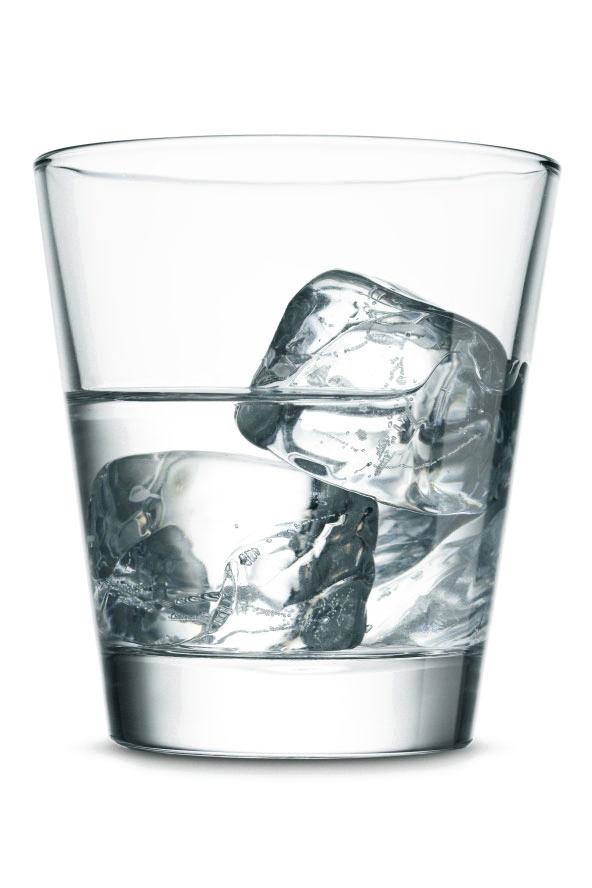
Despite the extensive range of flavors, it is essential to note that at its core, flavored vodka is still vodka. The essential characteristics of vodka remain intact, including its clear and colorless appearance, neutral aroma, and smooth taste. The infusion of flavors does not alter the fundamental nature of vodka but rather enhances its versatility.
Unleashing Creativity
Flavored vodka offers an opportunity to unleash creativity in mixology. Bartenders and cocktail enthusiasts can experiment and push the boundaries by incorporating different flavors into their creations. This freedom to blend and mix various ingredients allows for the development of innovative and exciting drinks that cater to evolving taste preferences.
Enhancing Cocktails
One of the primary uses of flavored vodka is to add a burst of flavor to cocktails. By using flavored vodka as a base spirit, mixologists can elevate their recipes and create cocktails that are both visually appealing and deliciously satisfying. For instance, a simple Moscow Mule can be transformed into a refreshing and zesty beverage by using ginger flavored vodka.
A New Generation of Vodka Drinkers
Flavored vodka has also played a crucial role in attracting a new generation of vodka drinkers. The introduction of enticing flavors has made vodka more approachable and appealing to those who may have previously found it too harsh or lacking in complexity. Flavored vodka acts as a gateway for individuals to explore the world of spirits and develop their own unique tastes.
The Debate
While some purists argue that flavored vodka is not “true” vodka due to its infused flavors, it is important to remember that the definition of vodka itself allows for variations and experimentation. As long as the base spirit remains primarily composed of ethanol and water, the addition of flavors remains within the realm of vodka. What truly matters is the enjoyment and personal preference of the drinker.
The Final Verdict
So, is flavored vodka vodka? The answer is yes. Flavored vodka retains the essential qualities of vodka while offering a delightful twist of diverse flavors. It is a testament to the versatility and adaptability of this beloved spirit. Embrace the fusion of flavors, explore new taste experiences, and raise your glass to the amazing world of flavored vodka.
