
When it comes to the world of homemade beverages, the question of whether cider is harder to make than beer often arises. While each has its own unique process and set of considerations, I would argue that making cider is actually easier for beginners. In this article, we will explore the reasons why cider is a fantastic choice for those new to home brewing.
Making Wine or Cider Takes Fewer Steps
One of the reasons why cider can be easier to make than beer is the simplicity of the process. Making wine or cider typically involves fewer steps compared to brewing beer, making it less intimidating for beginners. Instead of a complex mash and boil process required in beer brewing, making cider involves adding yeast to fruit juice and essentially waiting for fermentation to occur.
The Importance of Choosing the Right Juice
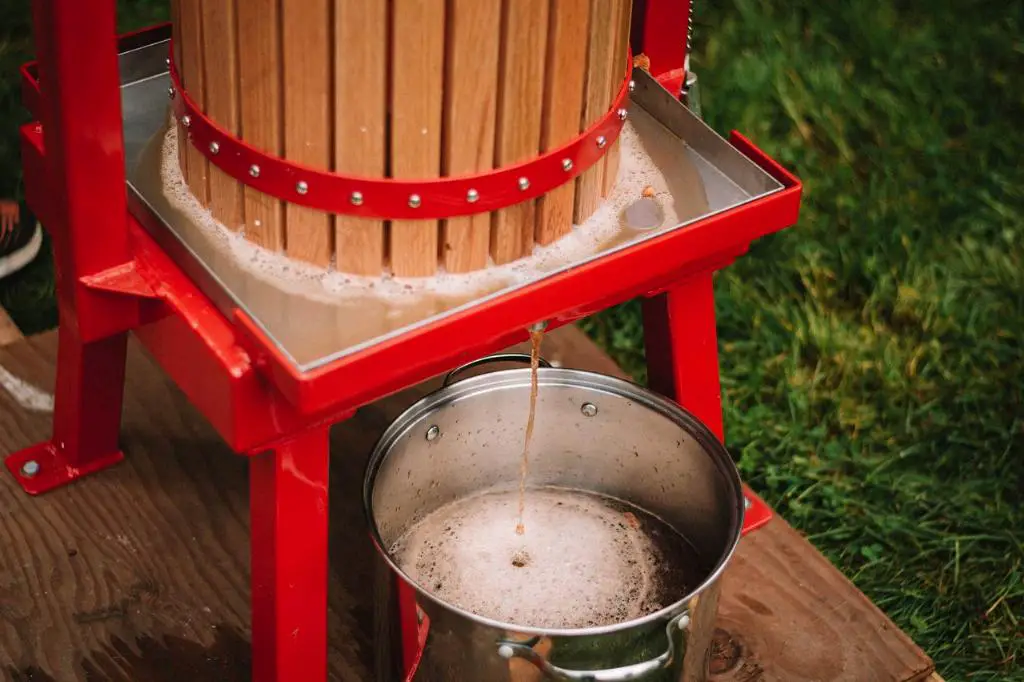
When making cider, one crucial decision that can greatly impact the final product is the choice of juice. Whether you decide to press your own apples or opt for store-bought juice, this choice will ultimately define the flavor and quality of your cider. It’s important to select juice that is free from additives, preservatives, and sugars, ensuring a pure and natural base for your cider.
Getting Started with Fermentation
To begin the fermentation process, you simply need to add yeast to the juice. The yeast will consume the natural sugars in the juice and convert them into alcohol. This is a critical step in any alcoholic beverage production, including both cider and beer. Luckily, yeast is widely available and comes in various strains, giving you the flexibility to choose a yeast that complements the flavor profile you desire.
Allowing Time for Fermentation
After adding the yeast, it’s crucial to give it enough time to work its magic. In the case of cider, the fermentation process typically takes around 1-2 weeks, depending on various factors such as temperature and yeast strain. During this time, you should closely monitor the progress and ensure the fermentation vessel is properly sealed to prevent any unwanted oxidation.
Bottling and Carbonation
Once fermentation is complete, it’s time to bottle your cider. This process is relatively straightforward and requires sanitizing your bottles, transferring the cider carefully to avoid disturbing the sediment at the bottom, and adding priming sugar to encourage carbonation. After bottling, you’ll need to let the cider carbonate for another week or two before it’s ready to be enjoyed.
The Benefits of Making Cider
Not only is cider easier to make than beer for beginners, but there are also several benefits to choosing cider as your first homebrewing project. First, cider can be made year-round, as apples are readily available or can be purchased as juice. Additionally, cider offers a wide range of flavor possibilities, allowing you to experiment with different apple varieties and even adding your own unique twists with spices or other fruits.
Conclusion
In summary, while both cider and beer have their own intricacies, cider is generally considered easier to make, especially for those just starting their homebrewing journey. With a simplified process and fewer steps involved, making cider is a fantastic way to dip your toes into the world of homemade beverages. So, if you’re looking for a rewarding and delicious project, why not give cider making a try?
