
Let’s settle the burning question once and for all: Is Champagne carbonated white wine? To put it simply, yes, Champagne is indeed a carbonated white wine. However, it is not just any ordinary sparkling white wine. Champagne holds a prestigious status and is often considered the epitome of sophistication among wine lovers around the world.
The Unique Origin of Champagne
Champagne is what it is because it hails from the renowned region of Champagne, France. It is a product of centuries-old winemaking traditions and the distinct terroir of this region. The climate, soil, and expertise of winemakers in Champagne contribute to the unique characteristics found in every bottle.
A Legal Protection: Labeling Requirements
An important aspect that sets Champagne apart from other sparkling white wines is its legal protection. In order to be labeled as Champagne, the wine must be produced in the Champagne region, following strict guidelines set by local authorities. These regulations ensure that only wines made within Champagne can bear the prestigious name.
The Art of Carbonation in Champagne
Carbonation, or the process of adding bubbles to the wine, is a defining feature of Champagne. It undergoes a second fermentation process, where sugar and yeast are added to the base wine in a sealed bottle. This creates carbon dioxide, which dissolves into the wine, resulting in delightful bubbles.
The Grapes Used in Champagne
While different varieties of grapes are used in Champagne production, the three main ones are Chardonnay, Pinot Noir, and Pinot Meunier. These grapes bring their own unique flavors and characteristics to the final product. Chardonnay adds elegance and finesse, while Pinot Noir and Pinot Meunier contribute body and fruitiness.
A Multitude of Flavors
Champagne is not just about effervescence; it offers a wide range of flavors that cater to every palate. From crisp and citrusy to toasty and nutty, Champagne can showcase a spectrum of taste profiles depending on the style and aging process. It is truly a wine that can be enjoyed in various situations and with diverse cuisines.
Pairing Champagne with Food
One cannot overlook the joy of pairing Champagne with food. Its acidity and effervescence make it a versatile companion to a range of dishes. Whether it’s fresh seafood, creamy cheeses, or even buttery popcorn, Champagne’s lively bubbles and complex flavors add a touch of elegance and enhance the overall dining experience.
Celebrations and Special Occasions
Champagne has become synonymous with celebrations and special occasions. From weddings and anniversaries to New Year’s Eve parties, the pop of a Champagne cork is a symbol of joy and merriment. Its effervescence seems to mirror the excitement and effervescence of life’s memorable moments.
The Price Tag: Luxury and Prestige
There’s no denying that Champagne often comes with a higher price tag compared to other sparkling white wines. This is partly due to the labor-intensive production methods, the limited availability of grapes, and the aura of luxury and prestige associated with the Champagne region.
Champagne: A Global Icon
Champagne has transcended borders and has become a global icon of indulgence and celebration. It is recognized and appreciated by wine enthusiasts, connoisseurs, and even casual consumers all over the world. The name itself evokes a certain level of sophistication and refinement.
So, Is Champagne Carbonated White Wine?
In conclusion, Champagne is indeed carbonated white wine, but it is so much more. It represents a timeless tradition, a distinct terroir, and a symbol of celebration. The craftsmanship and attention to detail that go into producing every bottle of Champagne are what make it stand out among other sparkling white wines.
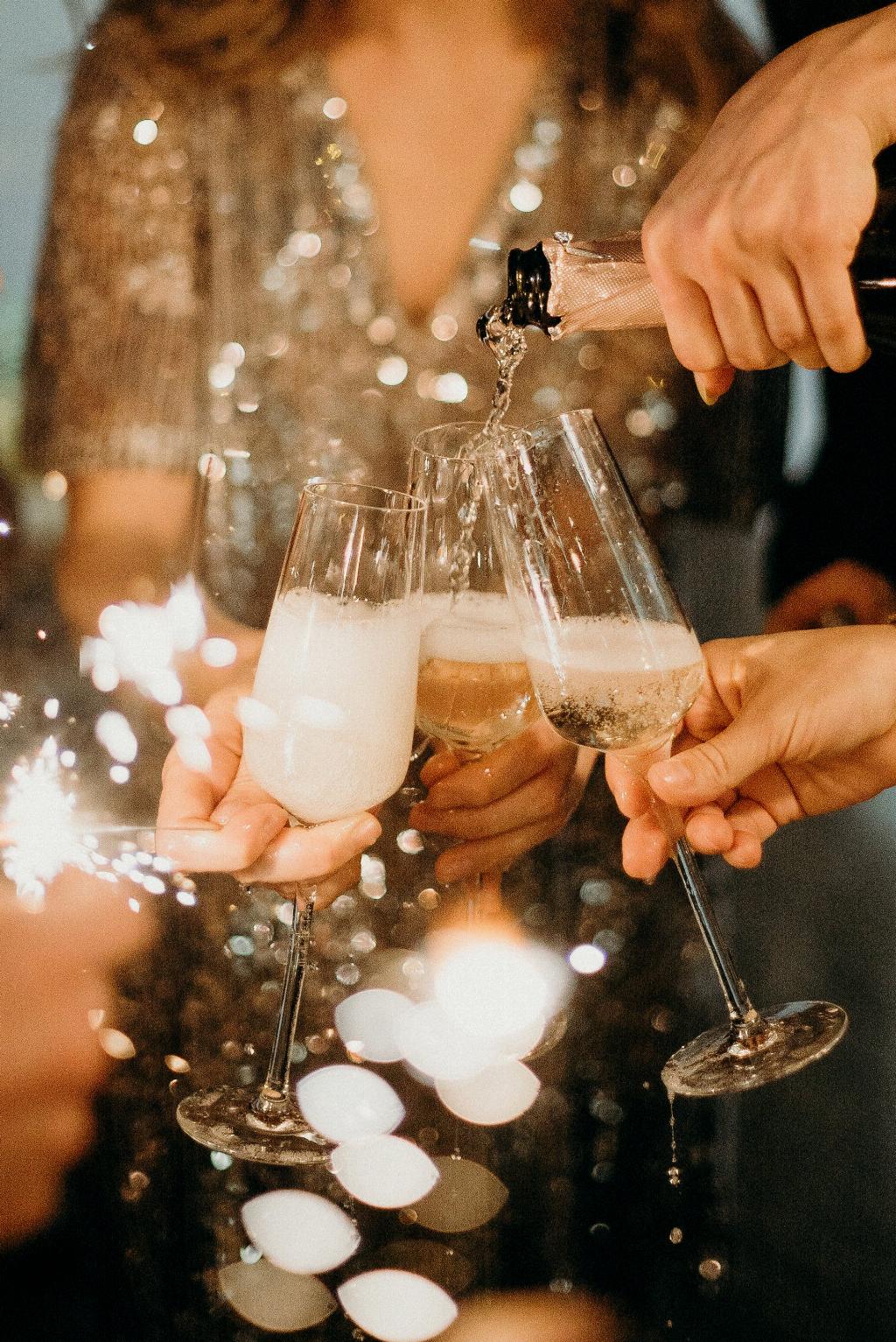
Let’s Celebrate with a Glass of Champagne!
Now that we’ve settled the question, isn’t it the perfect excuse to uncork a bottle of Champagne and savor its effervescent charm? Whether you’re raising a glass to a special occasion or simply indulging in everyday luxury, Champagne is always a delightful choice.
