
When it comes to Belgian ale, there is a wide variety of styles and flavors to explore. One common question that often arises is whether Belgian ale can be classified as a dark beer. Let’s delve into the characteristics of Belgian ale and shed some light on this topic.
The Color Spectrum of Belgian Ale
Belgian ales encompass a broad range of colors, spanning from light golden hues to deep amber or even dark mahogany shades. However, it is worth noting that some Belgian ales do fall into the category of dark beer. These beers can showcase rich copper, brown, or even near black colors, capturing the essence of the dark beer spectrum.
Brewers’ Labels and Terminology
If you’re on the hunt for a dark Belgian ale, you may come across labels that mention specific terms like “amber,” “bruin,” or “brune,” which allude to the deep brown color associated with darker beers. So, while not all Belgian ales are dark, it’s important to keep an eye out for these indications if you desire that robust and darker beer experience.
Aromas and Flavors: A Diverse Range
Belgian Dark Ales are renowned for their complex aromas and flavors. While some lean towards a drier and yeastier profile, others embrace a more malt-forward and sweeter character. Their diverse range encompasses a multitude of tastes, ensuring there is a Belgian ale to suit every discerning palate, whether that be a preference for lighter, brighter ales or bolder, darker brews.
The Art of Belgian Beer Brewing
Belgian beer brewing is an art form that has been perfected over centuries, with each brewery meticulously crafting their unique creations. Through their expertise, Belgian brewers achieve a remarkable balance between malt, yeast, and hop profiles, resulting in an array of beer styles that transcend the boundaries of traditional categorization.
Exploring Belgian Ale Styles
Within the realm of Belgian ale, there are several identifiable styles that offer different flavor profiles and appearances. Belgian Dubbel is one such style that often falls into the category of dark beer, with its distinct caramel and toasted malt notes. Belgian Strong Dark Ale is another example, characterized by its deep red-brown color and rich, fruity flavors.
The Essence of Belgian Beer Culture
Belgian beer culture is deeply rooted in tradition and craftsmanship. The country is famous for its Trappist and Abbey breweries, producing some of the world’s most renowned ales. The appreciation for all beer styles, including dark beers, is deeply ingrained in Belgian culture, making it a hub for beer enthusiasts seeking extraordinary flavors.
Beyond the Dark: Belgian Ale Diversity
While it is true that some Belgian ales can be categorized as dark beers, it is essential to recognize the immense diversity present within the Belgian ale landscape. From crisp and refreshing Saisons to spicy and fruity Tripels, Belgian ales offer an endless array of flavors that cater to various beer preferences.
Perfect Pairings for Belgian Ales
When it comes to food pairings, Belgian ales can complement a wide variety of dishes. The malty and complex flavors of darker Belgian ales harmonize beautifully with roasted meats, stews, and hearty desserts. However, the versatility of Belgian ales ensures they can just as easily be paired with lighter fare, such as salads, seafood, or artisanal cheeses.
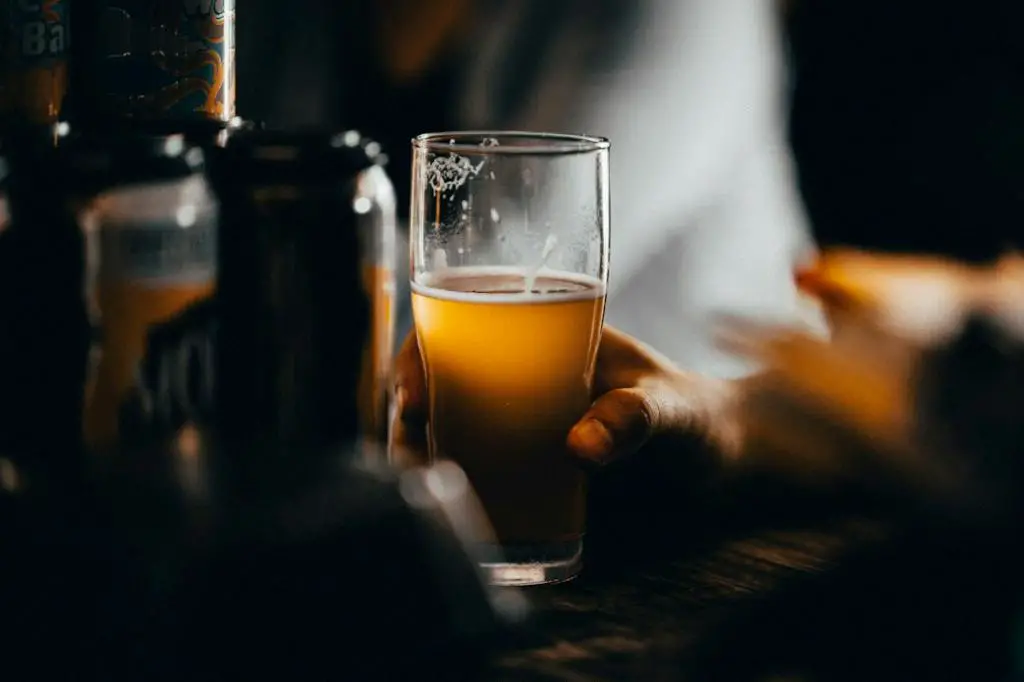
Embrace the Belgian Ale Experience
In conclusion, while not all Belgian ales can be classified as dark beers, there is undoubtedly a place for robust and darker brews within the Belgian beer repertoire. Belgian ale offers a diverse range of styles, from golden ales to deep and enchanting dark ales, each with their own unique flavors and aromas. So, whether you seek a pint of amber nectar or a deep, mahogany-hued delight, exploring the world of Belgian ale promises an extraordinary and unforgettable experience.
