
When it comes to whiskey, there is a common misconception that all whiskies have an alcohol content of 40%. However, this belief is not entirely accurate. While it is true that most commercially available whiskies are bottled at around 40-50% ABV (alcohol by volume) or 80-100 proof, the alcohol content of whiskey during different stages of its production can vary significantly.
The Aging Process and Alcohol Content
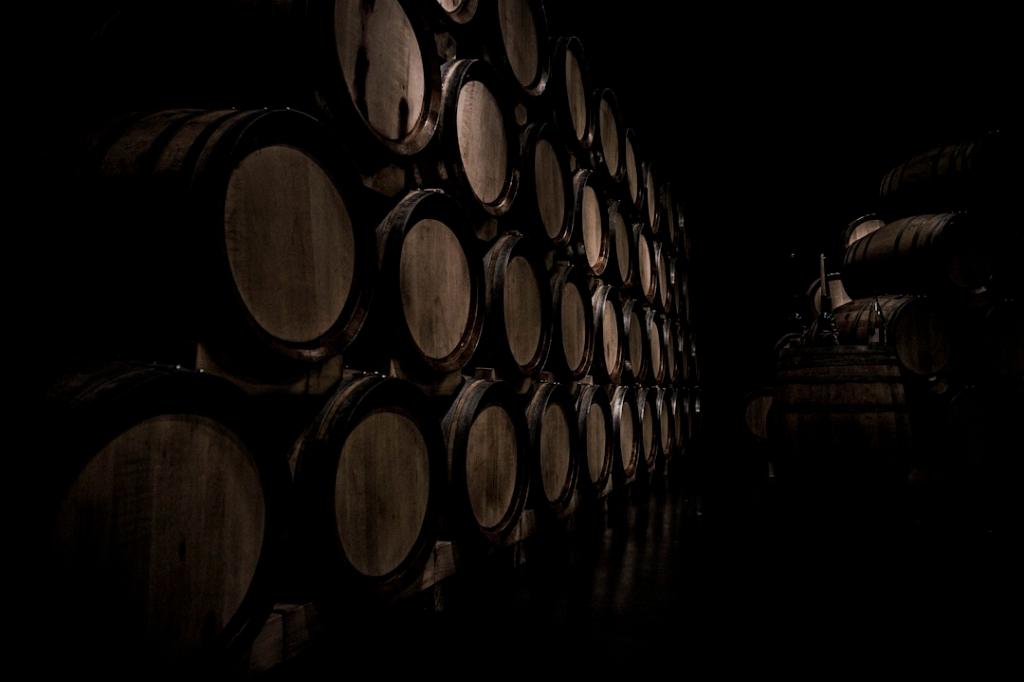
During the aging process, whiskey is typically stored in barrels or casks. At this stage, the alcohol content is usually much higher than what you find in the final bottled product. It is not uncommon for whiskey to be placed in barrels at around 55-70% ABV or 110-140 proof.
Why is the alcohol content higher during aging? Well, the high alcohol content helps to extract flavors and compounds from the wood, contributing to the unique taste and character of the whiskey. Over time, as the whiskey ages, it undergoes a maturation process where it develops complex flavors and smoothness.
Proof and Alcohol Content
It’s worth mentioning the term “proof”, which is used to indicate the alcohol content of beverages, including whiskey. In the United States, the proof is defined as twice the ABV. Therefore, a whiskey labeled as 80 proof is 40% ABV, while a whiskey labeled as 100 proof is 50% ABV.
Higher Alcohol Content and Dilution
When whiskey reaches its desired level of maturation, it is often diluted with water before bottling to achieve the desired alcohol content. This dilution reduces the ABV to the typical range of 40-50%. However, the specific alcohol content may still vary depending on the brand and style of whiskey.
Exceptionally High ABV Whiskies
While many whiskies are distilled to a lower ABV and later diluted, there are exceptions to this rule. Some distilleries produce high-proof whiskies or even cask-strength whiskies, which are bottled without any dilution. These whiskies can have an ABV well above the typical range, reaching 60% or higher.
High-proof whiskies offer a different drinking experience, as they showcase intense flavors and a powerful kick. However, they may require some dilution with water to fully appreciate their complexities and reduce the alcohol burn.
Conclusion
In summary, not all whiskies have an alcohol content of 40%. While most commercially available whiskies are bottled at 40-50% ABV, the whiskey during the aging process can have a higher alcohol content. Dilution with water is commonly employed before bottling to reach the desired ABV. Furthermore, there are whiskies available that exceed the typical range of 40-50% ABV, offering enthusiasts a chance to delve into the world of high-proof expressions. So, the next time you enjoy a glass of whiskey, remember that its alcohol content goes beyond the 40% misconception.
