
When it comes to the world of beer, there is often confusion surrounding the various styles and terms used. One common question that arises is whether ale is the same as IPA. While ale and IPA do share some similarities, they are not exactly the same thing. Let’s delve into the characteristics of each to understand their differences and similarities.
Ale: A Broad Beer Category
Ale is a broad term that encompasses several different beer styles. It is a type of beer that is fermented at warm temperatures using a top-fermenting yeast strain. Ales generally have a wide range of flavor profiles and can include styles such as pale ales, brown ales, stouts, and porters.
IPA: A Sub-Category of Ale
IPA, on the other hand, stands for India Pale Ale. It is a specific sub-category of ale that has gained immense popularity in recent years. IPAs are known for their hop-forward flavor profile, which means they have a stronger concentration of hops compared to other beer styles.
Shared Characteristics
Since IPAs are a kind of sub-category of pale ales, they obviously share several characteristics. For example, they both have a stronger concentration of hops than other types of beer, but IPAs usually have the strongest hops of the two. The issue with this is that bitterness is often subjective to the palate of the drinker.
Key Differences
While IPAs fall under the broader ale category, there are some key differences that set them apart from other ales. One major distinction is the hop intensity. IPAs tend to have a bolder and more pronounced hop flavor compared to other ales. This results in a greater bitterness and a distinct aroma that is often described as citrusy, floral, or piney.
Furthermore, IPAs are typically higher in alcohol content compared to other ales. This elevated alcohol level helps balance out the hop bitterness, creating a well-rounded and robust flavor profile.
Flavor Profiles
Ales, as a broad category, offer a wide range of flavor profiles. While some ales may have hop-forward characteristics akin to IPAs, many others focus on malt flavors and exhibit notes of caramel, chocolate, or roasted grains. IPAs, as previously mentioned, emphasize bitterness and hoppy flavors, which can range from subtle to intense depending on the specific IPA style.
Appearance and Color
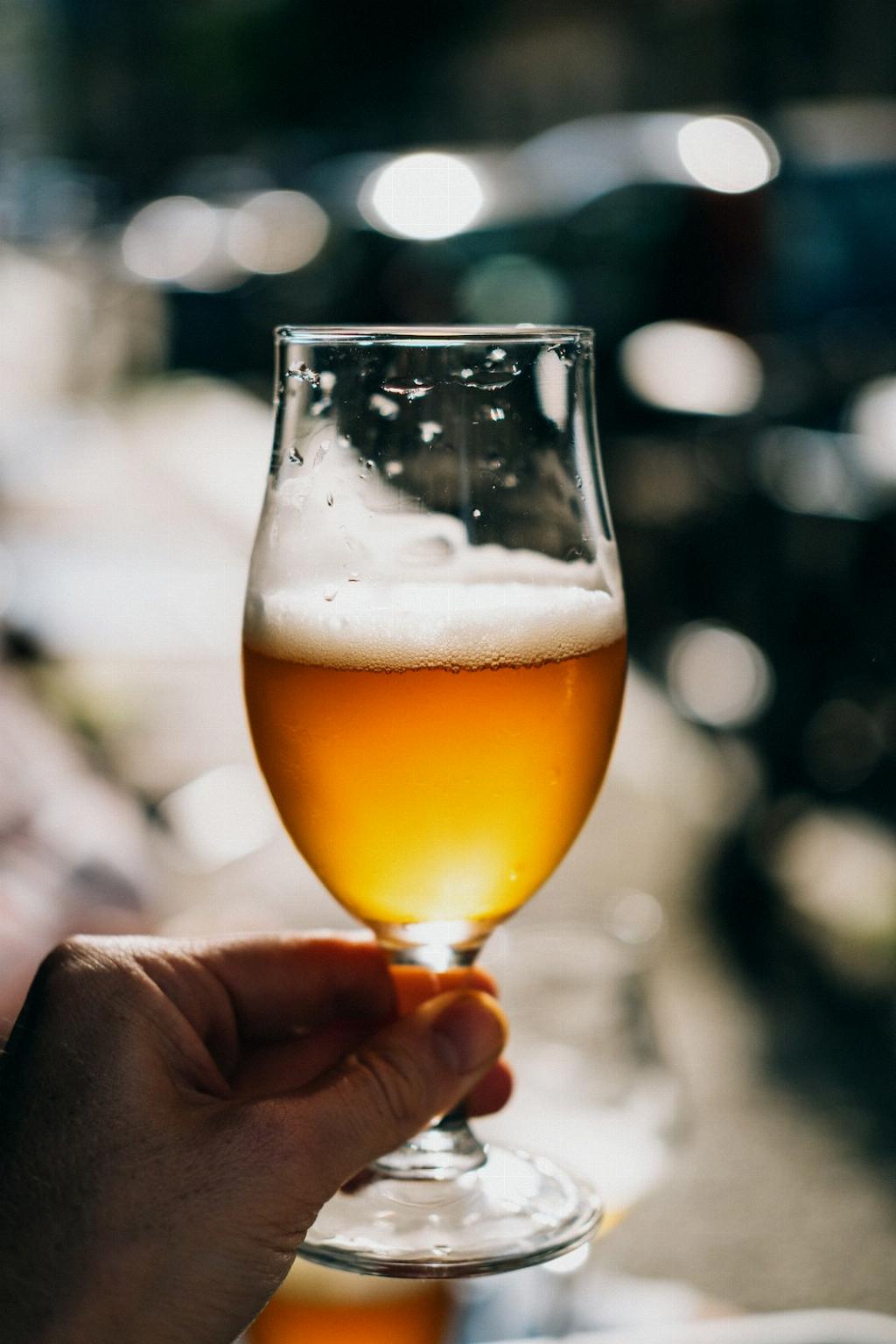
When it comes to the visual aspect, ales can have a wide range of appearances and colors. Some ales can be pale and clear, while others are dark and opaque. IPAs, in general, have a golden to amber color, often with a slight haze due to the use of hops and specialty malts.
Food Pairings and Enjoyment
Both ales and IPAs can be incredibly versatile when it comes to food pairings. Ales, with their diverse flavor profiles, can complement a variety of dishes ranging from roasted meats to creamy desserts. IPAs, due to their hop-forward nature, pair well with spicy foods, grilled meats, and strong cheeses.
Conclusion
In summary, while ale and IPA share commonalities such as being fermented at warmer temperatures using top-fermenting yeast, they have distinct differences that set them apart. IPA is a specific sub-category of ale, focusing on a stronger hop concentration, higher alcohol content, and a more pronounced bitter flavor profile.
Understanding their differences allows beer enthusiasts and connoisseurs to explore and appreciate the diverse world of ales and IPAs. Whether you prefer the nuanced flavors of other ale styles or the bold hop-forward characteristics of IPAs, there is a beer out there for everyone to enjoy.
