
Are you ready to embark on a journey of flavor and craftsmanship? Making rye whiskey from scratch is an art form that requires time, patience, and a passion for the process. In this article, we will guide you through the steps of creating your very own rye whiskey, starting from the mash all the way to the final product. So, grab your apron and let’s dive in!
Gathering Your Ingredients
First and foremost, we need to assemble the necessary ingredients. For our rye whiskey, we will be using a mash ratio of 70% rye, 20% barley, and 10% malt. This combination will create a robust and flavorful spirit that is characteristic of rye whiskey.
Preparing the Mash
Once we have our ingredients, it’s time to prepare the mash. Begin by heating water to a temperature of around 90°F. Then, gradually mix in the malt and grain, ensuring that everything is well combined.
Conversion Process
To convert the starch in our mash into fermentable sugar and dextrin, we need to maintain a temperature of 160°F. Stir the mixture constantly for 2-3 hours during this conversion process. This crucial step will help unlock the flavors and aromas that are unique to rye whiskey.
Fermentation
After the conversion process, allow the mash to cool to a temperature of around 70°F. Once cooled, transfer the mash to a fermentation vessel, such as a fermentation bucket or a glass carboy. Add yeast to the mixture and cover it with a fermentation lock to prevent any unwanted bacteria or oxygen from entering.
Patience is a Virtue
Now comes the waiting game. Allow the mash to ferment for approximately one week. During this time, the yeast will work its magic, transforming the sugars into alcohol. Keep the fermentation vessel in a cool and dark area, maintaining a consistent temperature to encourage optimal yeast activity.
Distillation Process
Once the fermentation is complete, it’s time to distill the fermented mash. This involves separating the alcohol from the unwanted impurities. Using a still, heat the mash slowly, collecting the vapor and condensing it into liquid form. This process will result in a higher alcohol concentration and further refine the flavors.
Aging and Maturation
After the distillation process, the raw whiskey needs time to mature and develop its complex flavors. Transfer the distilled spirit into oak barrels and allow it to age for a minimum of two years. During this aging process, the whiskey will interact with the wood, picking up flavors and characteristics that will delight the palate.
Bottling and Enjoyment
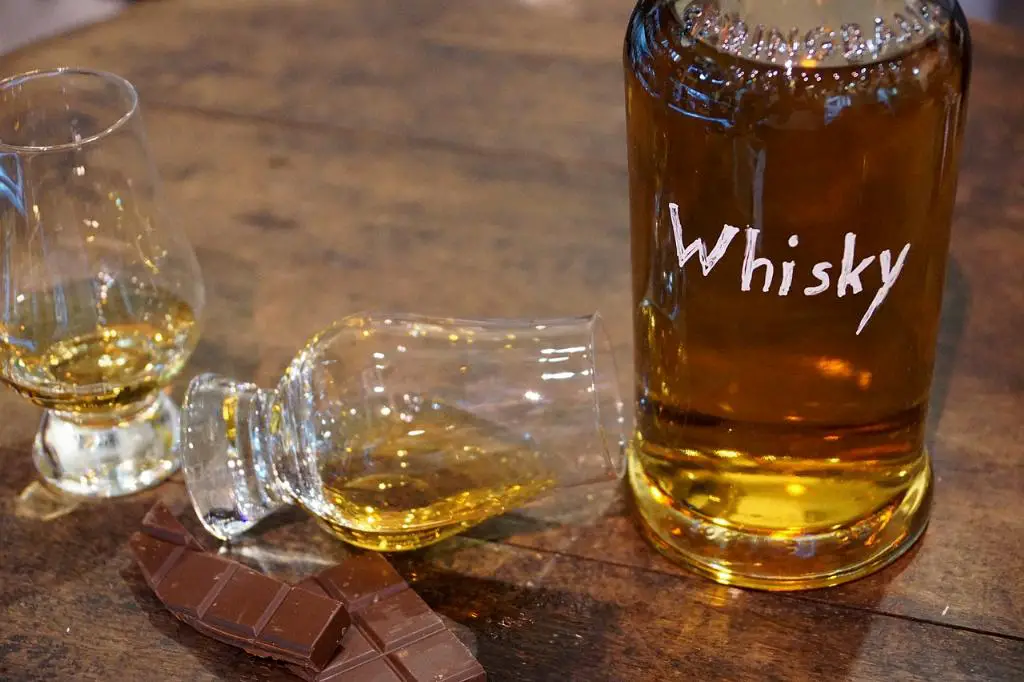
Once the aging period has passed, it’s time to bottle your homemade rye whiskey. Carefully siphon the whiskey from the barrels, ensuring that it remains uncontaminated by sediment. Seal the bottles and let them rest for a few weeks to allow the flavors to harmonize before indulging in your own creation.
The Joy of Crafting
Making rye whiskey from scratch is truly a labor of love. It requires attention to detail, patience, and a desire to explore the rich world of whiskey-making. As you embark on this journey, remember to enjoy the process and embrace the artistry that comes with creating your very own rye whiskey.
