
When it comes to the world of spirits and liqueurs, vermouth holds a special place. This aromatic and flavorful wine-based beverage has been enjoyed for centuries, and its unique production process is truly fascinating. So, how is vermouth made? Let’s unravel the secrets behind this delightful elixir.
The Foundation: Wine
At the heart of every bottle of vermouth lies wine. According to Italian law, vermouth must contain at least 75% wine. This wine serves as the foundation, lending its characteristics to the final product. Typically, dry white wine, such as Chardonnay or Sauvignon Blanc, is used, although red and rosé vermouths also exist.
Fortification: A Boost of Alcohol
After ensuring the ideal wine base, the next step is fortification. This involves adding a distilled spirit, usually brandy or neutral grape spirit, to raise the alcohol content. The additional alcohol not only acts as a preservative but also enhances the flavor profile of the vermouth.
The Infusion: A Symphony of Herbs and Spices
What sets vermouth apart is its intricate infusion of herbs and spices. The particular combination of botanicals gives each vermouth its signature taste. The star ingredient is artemisia, commonly known as mugwort, which must be incorporated in the form of Pontica and Absinthium varieties as per Italian law.
Blending: Achieving Harmony
Once the herbs and spices have been carefully selected, they are gently infused into the wine and alcohol mixture. This process can take anywhere from a few hours to several weeks, allowing the flavors to marry together. The length of infusion plays a crucial role in achieving the desired complexity and balance.
Sweet vs. Dry: Finding the Right Balance
The sweetness level of vermouth is determined by adding a sweetener such as sugar or caramel. While some vermouths lean towards the sweeter side, others are crafted to be drier, with minimal added sweetness. This decision impacts the overall flavor and intended use of the vermouth.
Aging: Allowing Time to Work Its Magic
While not all vermouths undergo the aging process, it is common practice to allow the flavors to develop and mellow over time. Aging can occur in a variety of vessels, including oak barrels or stainless steel tanks. The duration of aging depends on the producer’s preferences and the desired characteristics of the final product.
Filtration and Stabilization: The Final Touches
Before bottling, vermouth undergoes filtration to remove any residual particles and achieve clarity. Furthermore, stabilizers may be added to prevent any sediments from forming over time. These steps ensure that the vermouth remains visually appealing and consistent in quality.
Bottling and Packaging: Ready for Enjoyment
After completing the production process, the vermouth is ready to be bottled and packaged. The choice of bottle shape, label design, and overall presentation are carefully considered to reflect the brand’s identity and attract consumers. Each bottle is filled with the delightful culmination of craftsmanship and passion.
Serving Suggestions: Indulging in the Pleasures of Vermouth
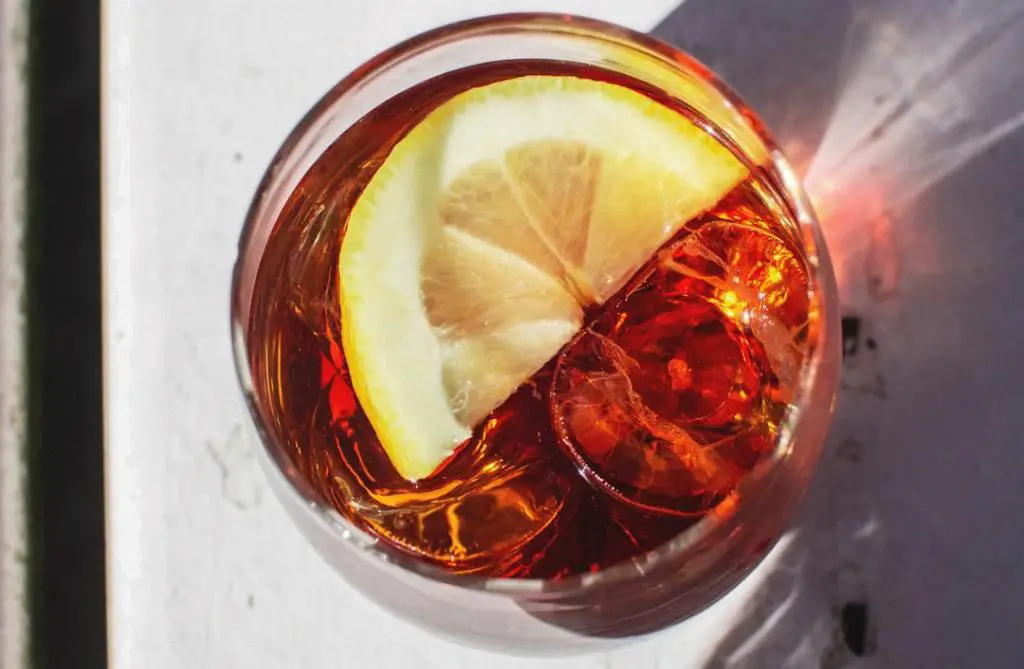
Vermouth can be savored in various ways. Many enjoy it on its own, either neat or over ice, allowing the intricate flavors to shine. It is also a prominent ingredient in classic cocktails like the Martini and Negroni, adding depth and character. Additionally, it can be used as a delightful component in cooking, enhancing sauces and marinades.
Exploring the Vast World of Vermouth
Now that you have a deeper understanding of how vermouth is made, why not embark on a journey through the vast world of vermouth? With its rich history and diverse flavor profiles, there is a vermouth out there to suit every taste and occasion. Enhance your palate and indulge in the pleasures this exquisite beverage has to offer.
