
When it comes to enjoying a good glass of whiskey, the pour itself plays an important role in the overall experience. Whether you are new to the world of whiskey or a seasoned enthusiast, understanding how to pour whiskey properly can enhance your tasting experience. In this article, we will explore the art of pouring whiskey and delve into the various techniques and considerations involved.
The Basics of Whiskey Pouring
Before we dive into the nitty-gritty details, let’s start with the basics. A typical whiskey pour can vary depending on the occasion and personal preference. For a standard shot, you’ll pour around 1.5 ounces of whiskey. However, if you’re looking to savor the flavors and complexities of the spirit, a neat or rocks pour typically consists of 2 ounces. For those seeking a bolder experience, a double pour of approximately 3 ounces may be just what you’re after.
The Process of Pouring Whiskey
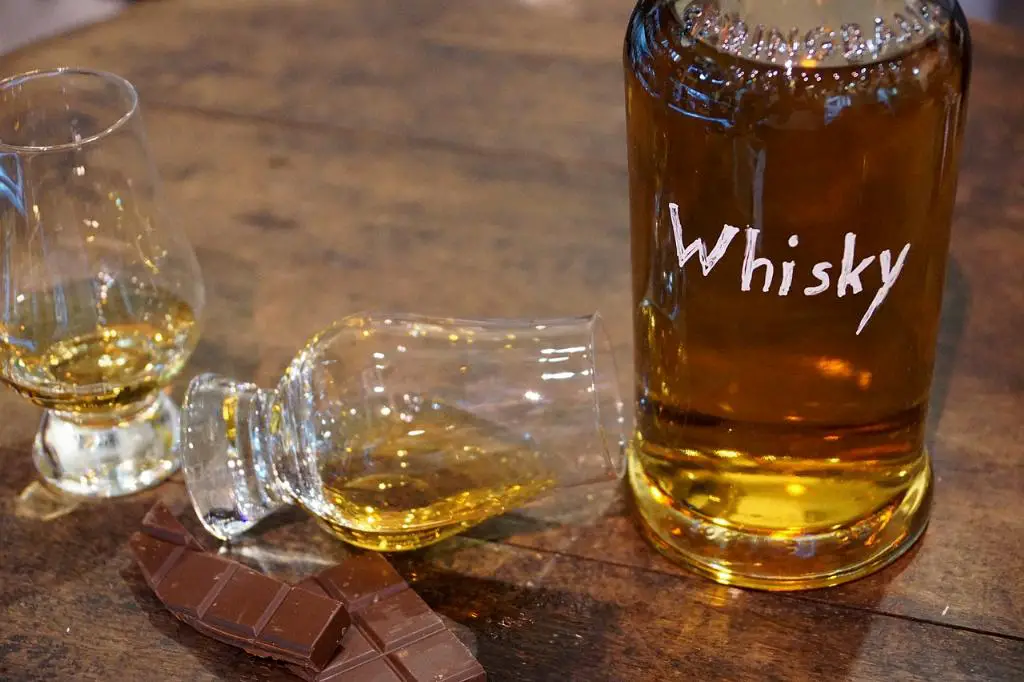
Now that we have the pour sizes clarified, let’s dive into the actual process of pouring whiskey. First, select your preferred glassware. A Glencairn glass or a tumbler are popular options that allow the aromas and flavors to develop efficiently. Once you have your glass in hand, it’s time to pour.
Step 1: Assessing the Aromas
Before pouring, take a moment to appreciate the aromas emanating from your whiskey. Give the bottle a gentle swirl to awaken the flavors. Close your eyes and let the scents envelop you. Is it floral? Smoky? Fruity? This initial assessment sets the stage for what’s to come.
Step 2: The Skillful Pour
Hold the whiskey bottle firmly but with a delicate touch. Gently tilt the bottle at an angle, allowing the whiskey to flow into the glass. Aim for the center of the glass to ensure an even distribution. As you pour, keep an eye on the liquid’s movement and adjust the tilt of the bottle if necessary. A smooth and controlled pour ensures you don’t create unnecessary splashes or waste any precious drops.
Step 3: The Perfect Amount
Depending on your preference, pour approximately 2 ounces of whiskey into your glass. This amount allows for a balanced tasting experience, enabling you to appreciate the flavors without overwhelming your palate. Remember, you can always pour more if desired, but adding more whiskey after the initial pour can be tricky.
Step 4: Let It Rest
Once you’ve finished pouring, resist the urge to immediately take a sip. Allow the whiskey to settle in the glass for a few moments. This resting period allows the aromas to intensify and the whiskey to reach its optimal tasting temperature, enhancing the overall drinking experience.
Step 5: Take a Whiff
Before diving into your first sip, take a moment to appreciate the aromas. Gently swirl the glass to release the scents and bring them to your nose. Inhale deeply and try to identify the different notes present. Is it earthy? Citrusy? Woody? This careful examination adds another layer of enjoyment to the experience.
Step 6: Savor the Sip
Finally, it’s time to take that first sip. Allow the whiskey to coat your tongue, savoring every moment. Take note of the flavors dancing on your palate. Is it sweet? Spicy? Rich? Take your time, and let the whiskey unfold its complexities. Feel free to add a few drops of water if you prefer to mellow the intensity or explore the evolving flavors further.
Conclusion
Pouring whiskey is an artform that not only prepares the drink for consumption but also enhances the overall tasting experience. By following these steps, you can pour your whiskey with confidence, setting the stage for an enjoyable and memorable journey through the world of flavors and aromas. So, the next time you’re ready to pour yourself a glass of whiskey, take a moment to appreciate the process and dive into a delightful experience that brings together craftsmanship, tradition, and personal enjoyment.
