
When it comes to enjoying a night out with friends, one thing that many of us worry about is the dreaded hangover. We’ve all experienced the pounding headache, the feeling of nausea, and the general fatigue that comes with overindulging in alcohol. But is it true that clear liquors give you less of a hangover than their darker counterparts? Let’s delve into the scientific research to find out.
Understanding the Science Behind Hangovers
Before we dive into the specifics of clear versus dark liquors, it’s important to understand what causes a hangover in the first place. When we drink alcohol, our bodies metabolize it into a toxic compound called acetaldehyde, which can lead to inflammation, dehydration, and oxidative stress in our organs. This process, combined with the diuretic effects of alcohol, can result in the unpleasant symptoms we associate with a hangover.
Does Color Affect Hangover Severity?
According to researchers, there is some truth to the idea that clear liquors may result in a less severe hangover compared to darker spirits. A study published in the journal Alcoholism: Clinical & Experimental Research found that darker-colored liquors like whiskey or bourbon contain higher levels of toxic compounds known as congeners. These congeners, which are byproducts of the fermentation and distillation process, can contribute to the intensity of a hangover.
The Role of Congeners
Congeners are substances that give alcoholic beverages their distinct flavors, aromas, and colors. They are more prevalent in products that have undergone less extensive distillation or aging processes, such as dark liquors. Some examples of congeners include methanol, acetone, and various other aldehydes and esters.
The Clear Liquor Advantage
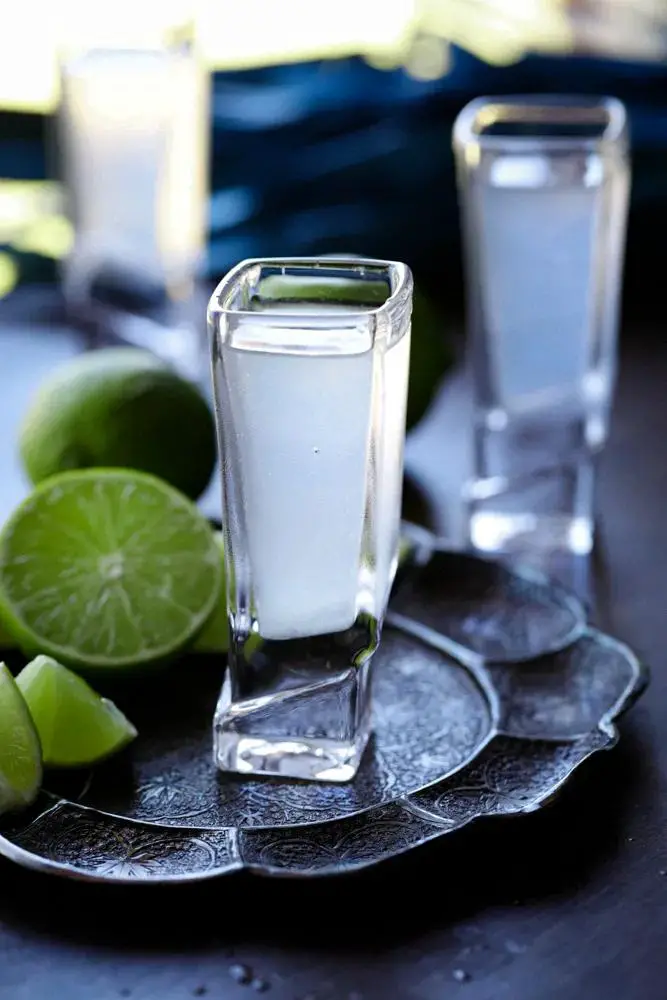
Clear liquors, such as vodka, gin, and white rum, generally have lower levels of congeners compared to their darker counterparts. This may explain why many people report experiencing fewer hangover symptoms after consuming clear liquors. However, it’s important to note that individual reactions to alcohol can vary, and factors such as hydration, overall alcohol consumption, and mixing with other beverages can also influence the severity of a hangover.
Other Factors Influencing Hangover Severity
While the presence of congeners is a significant factor in hangover severity, it is not the sole determinant. Factors such as drinking on an empty stomach, lack of sleep, alcohol tolerance, and even the individual’s overall health and genetics can play a role in how one experiences a hangover. Therefore, it is essential to approach alcohol consumption responsibly, regardless of the type of liquor.
Tips to Minimize Hangovers
Although it’s impossible to completely eliminate the risk of a hangover, there are steps you can take to minimize the severity of the symptoms:
- Stay hydrated by drinking water in between alcoholic beverages.
- Eat a balanced meal before consuming alcohol to slow down its absorption.
- Avoid mixing different types of alcoholic beverages.
- Set a limit for yourself and stick to it.
- Get enough sleep to allow your body to recover.
- Consider taking vitamin B supplements, as alcohol depletes these nutrients in the body.
The Bottom Line
While clear liquors may indeed provide a slightly milder hangover compared to darker spirits, it’s important to remember that responsible alcohol consumption and individual factors also play significant roles. Congeners present in darker liquors can contribute to hangover severity, but they are not the sole culprits. Ultimately, moderation, hydration, and overall self-care are key when it comes to minimizing the effects of alcohol the next day.
