
When it comes to aging whiskey, the choice of barrels plays a significant role in shaping the final flavor and character of the spirit. Traditionally, whiskey has been aged in oak barrels, which impart distinctive flavors such as vanilla, caramel, and spice. However, in recent years, there has been a growing interest in experimenting with different types of barrels, including those made from maple. So, the question arises: Can whiskey be aged in maple barrels? Let’s delve into the subject and explore the possibilities.
Understanding the Basics of Whiskey Aging
Before diving into the idea of aging whiskey in maple barrels, it’s important to understand the basics of whiskey aging. Whiskey, a distilled spirit made from fermented grain mash, spends a significant amount of time maturing in barrels. During this time, the whiskey absorbs compounds from the wood, which contribute to its flavor, color, and aroma.
Exploring the Potential of Maple Barrels
Maple barrels, typically used for aging maple syrup, offer a unique twist on the traditional whiskey aging process. While oak barrels are the norm in the industry, maple barrels can introduce subtle sweetness and depth to the whiskey. The resulting flavor profile can be both intriguing and distinct.
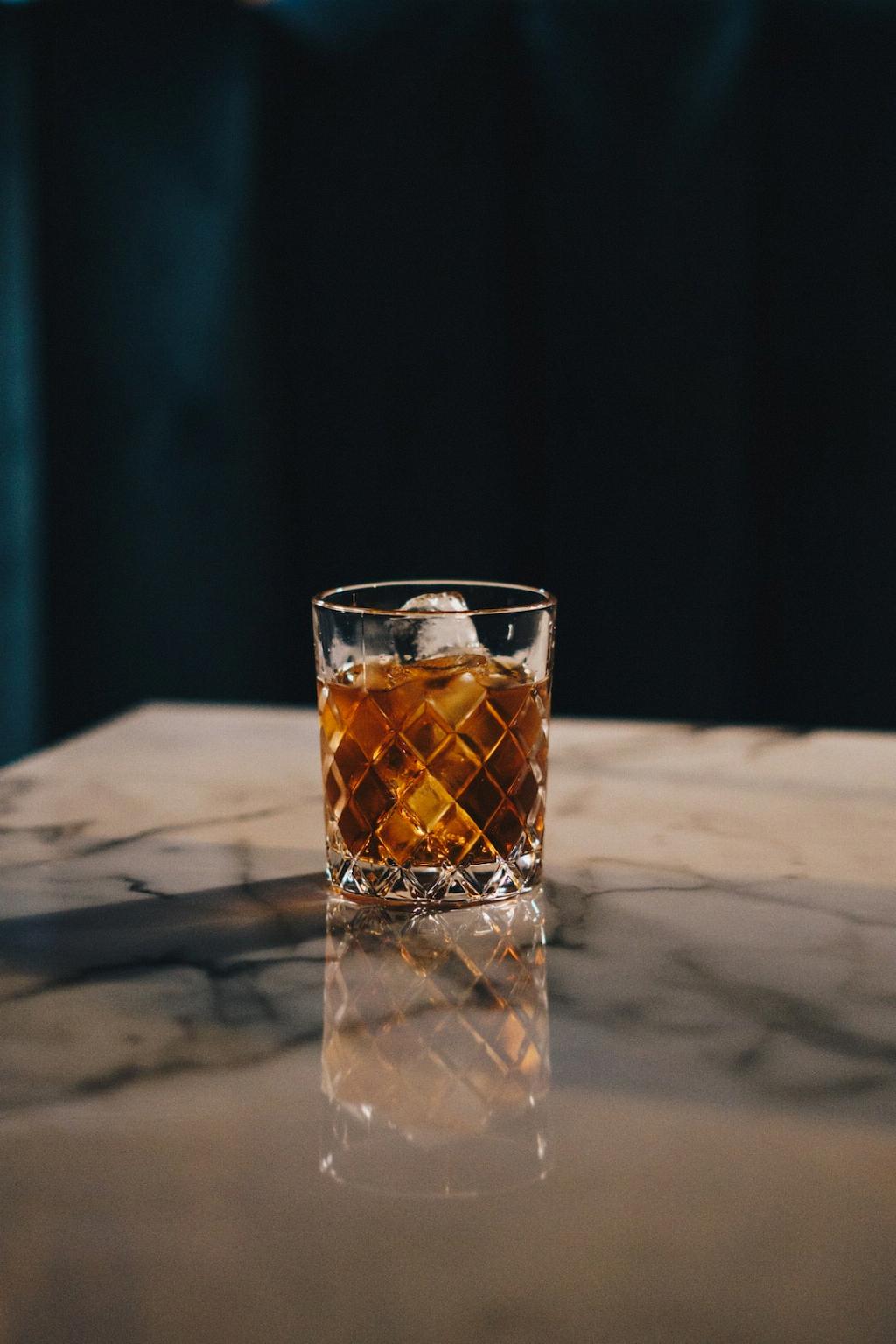
Imagine sipping a bourbon whiskey finished in maple syrup barrels. The combination of the rich, smooth whiskey with the delicate sweetness of maple creates a sensory experience that is nothing short of indulgent. As the leaves start to change and the cooler months settle in, enjoying a glass of bourbon aged in maple barrels can be a delightful way to embrace the season.
The Influence of Maple Barrels on Whiskey
Using maple barrels for aging whiskey introduces a unique set of characteristics to the spirit. The natural sugars present in maple wood can infuse the whiskey with a nuanced sweetness that perfectly complements its inherent complexity. Additionally, the maple’s porous nature allows the whiskey to interact with the wood at a deeper level, resulting in a more profound flavor integration.
However, it is important to note that the impact of maple barrels on whiskey can vary depending on various factors. These include the type of maple used, the length of aging, and the previous use of the barrel for maple syrup. Each of these elements can contribute to the final flavor profile of the whiskey and add an extra layer of craftsmanship to the aging process.
Embracing Experimentation in the Whiskey World
The exploration of aging whiskey in non-traditional barrels, such as maple, is a testament to the dynamic and innovative spirit of the whiskey industry. By pushing boundaries and thinking outside the box, distillers have the opportunity to create unique flavor profiles that appeal to a diverse range of palates.
Whiskey enthusiasts are always seeking new and exciting experiences, and aging whiskey in maple barrels presents a captivating avenue for tasting something different. The combination of oak’s time-tested influence and the subtle sweetness of maple creates a tantalizing blend that is sure to captivate whiskey connoisseurs and newcomers alike.
In Conclusion
While traditional oak barrels remain the backbone of the whiskey aging process, there is certainly room for experimentation with alternative wood types, including maple. Aging whiskey in maple barrels can produce a flavor profile that combines the complexities of whiskey with the delicate sweetness of maple syrup. It offers an opportunity for distillers and enthusiasts alike to embark on a journey of discovery and experience something truly unique. So, the answer to the question “Can whiskey be aged in maple barrels?” is a resounding yes – and it’s a decision that can lead to delightful outcomes.
